

Everlight Trips
Travel through Japan to sit with tea masters, learn kintsugi from sensei and wander quiet gardens.
Find out more →, Everlight Trips, opens in a new tabIf this moment feels too heavy, you don't have to carry it alone.
All help linesA full day on Everlight: focus music for working, hopeful hours, short stories, faith, remembrance, and Quiet Hours from 10pm to midnight. A programme that is not ready yet is marked Coming later, and it is not treated as on air. Live is the station as it is playing now, the same programme for everyone. Listen again is a finished piece from the library, from the start.
Nothing here is medical, psychological, legal or financial advice unless a qualified contributor is named on the programme, and even then it is general information. If this moment feels too heavy, Lifeline is on 13 11 14. If someone is in danger, call 000.
Brisbane time, no daylight saving. The same clock on every device.
00:00–05:00
Uplift
Living Again
Regular music from midnight until Morning Light.
05:00–07:00
Uplift
Living Again
Hopeful music to start the day. Uplift, with Emily.
07:00–08:00
Kintsugi
Kintsugi
A gentle restoration hour with Emily. Yoshimasa's Bowl is live on this hour. The rest of the library is coming later. The close is: the cracks are where the light gets in.
The close is: the cracks are where the light gets in.
08:00–10:00
Focus
Living Again
Calm instrumental music for working or studying. Focus, with no presenter in the music.
10:00–12:00
Stories and remembrance
Remember
Music and stories for the people we remember, with Joel.
12:00–13:00
Faith & Hope
Spiritual Life
Room for belief, questions and hope. Spiritual Life, with Joel.
13:00–14:00
Stories and remembrance
Remember
Music and stories for the people we remember, with Joel.
14:00–16:00
Focus
Living Again
A long instrumental run through the middle of the afternoon. Focus.
16:00–18:00
Stories
Grief & Healing
Daily 4–6pm. Company with Rudo, flowing into Kintsugi Hour at 6pm.
18:00–19:00
Kintsugi
Kintsugi
Restoration and uplift with Joel, before Say Their Name at 7pm. Yoshimasa's Bowl is live on this hour. The rest of the library is coming later. The close is: the cracks are where the light gets in.
The close is: the cracks are where the light gets in.
19:00–21:00
Stories and remembrance
Remember
Music and stories for the people we remember, with Joel.
21:00–22:00
Faith & Hope
Spiritual Life
Room for belief, questions and hope. Spiritual Life, with Joel.
22:00–24:00
Quiet Hours
Living Again
Rest from 10pm until midnight. Sleep, with Bradley.
Counts are for one weekday that does not repeat a song inside that strand. Focus pieces are counted at 8 minutes. Other strands are counted at 5 minutes.
Focus
Focus has 0 instrumentals. A full day needs 30. Gap: 30.
240 minutes on the clock, pieces of 8 minutes.
Uplift
0 songs tagged for this strand. A full day needs 84. Gap: 84.
420 minutes on the clock, pieces of 5 minutes.
Stories and remembrance
0 songs tagged for this strand. A full day needs 60. Gap: 60.
300 minutes on the clock, pieces of 5 minutes.
Faith & Hope
0 songs tagged for this strand. A full day needs 24. Gap: 24.
120 minutes on the clock, pieces of 5 minutes.
Quiet Hours
0 songs tagged for this strand. A full day needs 24. Gap: 24.
120 minutes on the clock, pieces of 5 minutes.
Stories
Story at Noon and the Evening Story are short pieces inside the day. 6 scripts are written. 12 are approved for air. They stay Coming later until a person approves a recording. An approved Kintsugi Corner story plays in the Kintsugi Hour.
Short stories for noon and the evening, and the Kintsugi Corner library. They are original, fictional or dramatised unless a page says a real story was approved. A recording stays off air until a person approves it. Story at Noon and the Evening Story stay Coming later until then. Yoshimasa's Bowl is live on this hour. The rest of the library is coming later.
You know the sound. The little click when the kettle sits back on its base, and the kitchen is the same kitchen, and the morning is trying to be an ordinary morning in a Brisbane house. The light comes in sideways at this hour. It finds the mug that nobody has moved. It finds the teaspoon in the sink. You can stand with your hands on the bench and let the water take its time. Nobody needs you to be cheerful about it. The day is not a test. If all you manage is to boil the water and pour it, that is a whole thing you did. Some mornings that is the brave part, and it does not look like much from the street. There is a gum out the back that drops strips of bark on the concrete. The bark curls in the sun. You do not have to pick it up today. The tree is not waiting for you to be finished. It just keeps doing what trees do, which is stay, and shed, and put out new leaves when it is ready. You can be slower than a tree. That is allowed. If you want, you can say a name out loud while the kettle works. Just the name. Not a speech. Not an explanation for anyone listening through the window. The kitchen can hold a name. It has held shopping lists and arguments and the radio on too loud, and this one quiet word can sit with them. When the click comes, you might take the mug to the window. You might take it out to the verandah if the air is kind. You might leave it and come back when it has gone lukewarm, and that is not a failure. Nothing about this hour is being marked. There is no gold star for getting through breakfast, and there is no black mark for standing still. Later there will be a road, or a list, or someone who needs a lift to the shops. That can wait until the mug is empty, or even until it is not. The people we miss are not asking us to perform a better morning. They knew this kitchen. They knew the click. If they could pull out a chair, they would not rush you. You are still here. The kettle still clicks. That is enough of a beginning for one day, and the music can wait its turn.
After rain, the concrete out the back looks darker, and the bark the gum has dropped looks like someone tried to write on it and then thought better of it. You can leave it there. A yard does not have to be tidy to be a place you live. People talk about mending as if the aim is to hide the join. You do not have to hide it. A cup with a chip still holds tea. A jumper with a darn still keeps a shoulder warm on a July morning. The break is part of the story of the thing, the way a scar on a knee is part of the story of a kid who climbed the fence and learned, later, to use the gate. If you are rebuilding something small, a garden bed, a photo frame, the habit of Sunday lunch, you can do it at the speed of drying paint. One corner. Then stop. Then another day, another corner. Nobody respectable is timing you with a stopwatch. The neighbours have their own piles. The ibis on the oval are not taking notes. There might be a day when you laugh at something silly, a dog in a raincoat, a song from the servo radio, and the laugh surprises you. You do not have to apologise to the person you miss for having a body that still knows how to laugh. Joy is not a betrayal. It is a sign that love made a home in you, and homes have windows as well as locked rooms. If the afternoon feels too bright, you can pull a chair into the shade. If it feels too long, you can put the radio on and let someone else carry the talking for a while. The bark will still be on the concrete tomorrow. You can pick up one strip, or none. Either way, the tree is still yours to stand under, and the day is still going, gently, without asking you to be impressive.
The 7.12 down toward the coast is full of people who have not had enough sleep and are doing it anyway. Someone has a takeaway cup. Someone has a hi-vis jacket folded on their knee. The carriage smells like wet coats and oranges. You can be one of them, even if your reason for being upright is different from theirs. Living again is not a trumpet. Most days it is a seat by the window and a decision to get off at the right station. You might be going to work. You might be going to sit on a bench at the other end and watch the water go from grey to silver. Both count. A trip with no errand is still a trip. You left the house. The door locked behind you. That is a kind of courage that does not get a medal. If a song comes into your head that the person you miss used to sing badly in the car, you can let it play. You can smile at the bad note. You can look at the mangroves and not explain yourself to the stranger in the aisle. Grief and a day out are allowed to share a carriage. They do not cancel each other. One can look out the window while the other holds the bag. There is a bakery near a lot of these stations that burns the first batch and sells it anyway, and people still queue. You could be a person who queues. You could buy the bun and eat it on the platform, icing sugar on your thumb, and notice that sugar still tastes like sugar. That is not nothing. That is a sense doing its job. When you come home, the house will be the house. You do not have to turn the day into a lesson. You went toward the water, or toward the work, and you came back. Tomorrow the 7.12 will run again, with or without you. Tonight it is enough that the timetable included you.
In the back of the recipe book there is a margin where someone wrote "more lemon" and underlined it twice. The handwriting slopes. The paper has a splash that might have been oil or might have been the year the custard went wrong. You can put your thumb on the words and feel the groove the pen left. What people leave us is often this small. Not a speech. A note about lemon. A spanner in the wrong drawer. A joke you still tell wrong on purpose because the wrong version is the one they loved. Legacy is not a monument you have to build by Friday. It can be the lemon, remembered, in a cake you share or a cake you eat over the sink. You might cook the thing today. You might not. The book will keep. If you do cook it, you are allowed to change it. More lemon, like they said, or less sugar, because you are the one eating. Following them exactly is one kind of love. Making it fit your own mouth is another. Neither one locks the other out of the kitchen. If other people are around the table, you can tell the story of the underline in a sentence, or you can pass the plates and say nothing. Silence at a meal is not empty when the food came from their hand, even years later, even through yours. Someone might ask where the recipe is from. You can say their name. You can say "family" and leave it there. Both are true. Afterwards there are dishes, because there are always dishes. The margin will still say more lemon when the book is dry and back on the shelf. You carried them into the room in a way they would recognise: something warm, something shared, something a bit sharp. That is a good way to be remembered, and a good way to keep going.
There is a chair by the window that has become the chair. Everybody in the house knows which one, even if nobody has made a rule about it. The cushion is worn on the side closest to the light. From there you can see the letterbox, the wheelie bins, the neighbour's lemon tree doing its best. If you are in the long part before a goodbye, the days can feel like waiting rooms you did not agree to sit in. You might be caring for someone, or caring for the people who are caring, or just trying to answer the phone without dropping it. You do not have to be good at this. You do not have to have the right words ready. Sitting in the chair and watching a cloud move is a way of staying, and staying counts. Practical things still knock. Chemist. Washing. Who is picking up the kids from school. You can do one of them and leave the rest on a list for a person you trust, or for tomorrow-you, who might be slightly more awake. Asking for help is not giving up. It is letting the street be a street, where people carry bags for each other. If you need to say something hard to someone you love, it can be one sentence, not a whole speech. "I am glad you are here." "I remember the trip to the coast." "I don't know what to do, and I love you." Then you can stop. The chair will still be there when the sentence is over. The lemon tree does not need a conclusion. And if today you cannot sit in that chair because it hurts, sit somewhere else. The verandah step. The car, before you turn the key. A patch of sun on the floor. Company does not require the perfect seat. It requires a person who has not left the building, and you have not. The window can wait. The light will come back around tomorrow, the way Brisbane light does, sudden and gold, even after a grey arvo.
Some evenings the light sits on the table like it was invited. It finds the salt, the folded tea towel, the bowl of fruit that is a day past its best. You can let it. You do not have to clear the table to deserve a quiet hour. If faith is part of your life, this can be a minute of prayer, said in your own words or in no words at all. If faith is not part of your life, the minute still belongs to you. Nobody here is checking. The station holds a space, and you can step into it or sit beside it. Hope, in this house, is not an argument. It is the decision to leave a light on so the room is findable. You might think of someone and wish them peace, whatever peace can mean now. You might think of yourself and wish the same, which is harder, and still allowed. You might not think of anyone. You might just listen to the fridge hum and the last birds arguing in the power lines. That is a kind of evening prayer too, if you want the word, and if you do not want the word, it is just an evening, and it is yours. There is a temptation to measure the day and find it wanting. Too short with them. Too long without them. The measuring can rest. A day is not a ledger. It is a table, and a light, and whatever you managed to put down here: a meal, a glass of water, your keys, your tired hands. When you turn the lamp off later, the streetlight will take a shift. The house will tick as it cools. You can sleep, or you can lie awake and know that lying awake is not a crime. Morning will come in its own time, with the kettle and the gum and the ordinary click of a life that is still going. Until then, the table can hold the evening. You do not have to hold it all yourself.
Autumn rain on a temple roof. [pause] One red maple leaf, stuck to a wet stone step. Let me tell you a story they tell in Japan. Part of it is history, and part of it is legend, and I'll tell you which is which as we go. More than five hundred years ago, in Kyoto, there lived a shogun named Ashikaga Yoshimasa. He was not much of a warrior. History remembers him for gentler things: for gardens, for the Silver Pavilion he built, for poetry, and above all for tea. In his rooms, making tea was never a quick thing. Water was warmed slowly. Each bowl was turned in the hand and admired before anyone drank. Among his treasures, the story goes, was a tea bowl from China, pale green like the sea in shallow water. He loved it the way you love something you have used every day for years. Without thinking about it. Until the day you have to. And one day, it cracked. [pause] The story doesn't keep how it happened. A slip, a knock, a cold bowl meeting hot water. It keeps only the line, running through the glaze. The legend says the bowl was sent back to China to be mended. Weeks passed. Months. When it finally came home, it was held together with metal staples, like stitches in a wound. It worked. It held tea. But every time Yoshimasa lifted it, the staples were the first thing he saw. And here, the story turns. [pause] The bowl was not thrown away, and it was not hidden. It was looked at. The craftsmen of Japan, so the story says, looked at those clumsy staples and asked a different question. Not, how do we hide this break? But, what if the break could be beautiful? They turned to urushi, the sap of the lacquer tree, which Japanese makers had used for thousands of years. They learned to join broken pieces with it, slowly, layer by layer, letting each layer cure, over weeks and months. And along the final seam, they laid gold. They called it kintsugi. Golden joinery. The crack was not covered. It was traced, the way you trace a river on a map, because that river is part of the land. That stapled bowl is real, and it still exists. It sits in the Tokyo National Museum, and it has a name, Bakōhan, because people said its staples looked like big locusts. It never got its gold. It stayed just as it came home, staples and all. And still it is treasured. Because someone decided it was worth keeping. There is a Japanese word, mottainai. It means the regret of wasting something that still has worth. A broken bowl still has worth. So does a broken heart. So does a life that loss has cracked right through. [pause] The rain has stopped now. A green bowl on dark wood, gold where it once broke. What breaks in us can stay. And with time, and patient hands, it can shine.
Late summer. Damp air, beading on a clay jar. [pause] The smell of a workshop, before any gold. Let me tell you about a bench, and a maker's hands. I'll call him Sota, so you can see him. That name is mine, for the telling. The work he does is the real craft. Sota's bench is low. The light comes from the side, because glare lies when you are hunting a hairline crack. On the cloth are the pieces of a neighbour's bowl. It held rice yesterday. It met the floor this morning. He knows this work the way a baker knows dough. Urushi is the sap of the lacquer tree, drawn, cleaned, and laid on in thin layers. It hardens in damp air, not in a hot rush. Each layer has to be ready before the next one arrives. The neighbour stood in the doorway with the pieces in a tea towel, ashamed, as if a broken bowl were a bad character. "I can buy another," she said. Sota shook his head. "You can. And you can also keep this one." A chip out of the lip. A crack through the well. Two main pieces, and a little shard that must not be lost. The little shard is still the bowl. [pause] He cleans the edges. He tests the fit. Where the pieces meet, he mixes the urushi with rice flour, or with wheat flour, until it is a paste that will hold a join. Clay powder is for filling a gap, not for the seam itself. He binds the pieces. Then he waits. A damp box. Weeks. Often months, because each layer has to cure before the next one is honest. Open it early and the join slumps. You start again. And here, the story turns. [pause] She came for a finished bowl. She found a closed box, and a man talking about her son's school shoes while the bowl cured. No slogan about patience. Just the weather, and the waiting. When the join will take it, he paints a last line of lacquer and dusts gold along the crack. That is the part people photograph. It is the last inch of a long job. The gold sits in the sap, and the sap holds it. He will not sell her a sentence about her soul. He says, "Don't use it yet. A real mend takes weeks, and sometimes months." There is a word for this kind of waiting. Gaman means bearing a hard thing quietly, without turning it into a performance. Months later the bowl is on her table. The gold line catches the kitchen lamp. Her son runs a thumb along it, and she lets him, once. "It fell," she says. "Sota mended it." The bowl holds soup. Anyone who eats here can see that it met the floor. That is the lacquerer's craft. Older than our radio. Slower than a season. [pause] Damp air in a closed box. Weeks, then a thin gold line. Soup, and the floor remembered. The gold is the last layer. The waiting was the real mend.
Early autumn in Melbourne. Plane trees along the tram line, just starting to brown. [pause] Two cups on a tray, and a woman asking her guest to choose. Let me tell you about that afternoon. Her name is Michiko. She teaches tea in a rented room on a Sunday, while the trams complain outside. I've given her a name so the idea has a person in it. The idea itself is old, and Japanese. Michiko sets out two cups. One is smooth and bright, the kind a shop would put in the window. The other is a little crooked. The glaze pools like a tide mark. The foot ring is rough under the finger. Her guest is Paul, newly curious, still in his work shoes. He reaches for the smooth one. Of course he does. We are trained to. His week has been straight lines, inboxes, and a kitchen kept tidy so nobody can see the mess of the year. Michiko turns the rough cup in her hands. "This one has already met the fire," she says. "The maker did not sand the life out of it." Paul frowns. He came for a lesson, not a riddle. His idea of beauty is a thing with no history. A cup that looks as if nothing has happened to it. [pause] She pours into the rough cup anyway, and passes it with two hands. He takes it with two hands, because she showed him. The tea smells of seaweed and steam. Outside, a tram bell. Inside, the small sound of sipping. And here, the story turns. [pause] Paul looks at the tide mark in the glaze and, for the first time, does not try to improve it. Michiko says, "People argue about the words. The practice is older than my explanation. Drink." There is no gold on this cup. That matters. Wabi and sabi are old ideas. Wabi-sabi, the way we often speak of them today, is a way of seeing worth in what is worn, irregular, and unfinished. It is not the same thing as a mended bowl, and I will not mash them into one slogan. The gold in this story is Paul's attention. He came ready to rank the cups. He leaves having held the one that did not apologise. On the tram home he keeps thinking of the rough foot ring against his finger. Brown leaves stick to the window. His own year has a chip in it. He does not become wise in one suburb. He does become a man who can look at a worn thing without flinching. Next month he will ask about a mended bowl Michiko keeps on a high shelf. She will say the mend is a cousin of this lesson, not a twin. [pause] Plane leaves on a tram window. A rough foot ring. Tea, still warm. Beauty can be the cup that has already met the fire.
Late winter in Adelaide. The lemon tree by the laundry window, heavy with fruit. [pause] Cold air, sharp as the rind. Let me tell you about a kitchen jug, and a woman who was offended by the bin. Her name is Evelyn. Evelyn's jug has poured water for forty years. It belonged to her mother. The glaze is the colour of weak tea. Every Sunday it sat in the middle of the roast, and the children, then the grandchildren, learned the weight of it. It was not precious the way a museum means precious. It was precious the way a tool becomes precious when a whole family has used it without thinking. On a Thursday it slipped. Evelyn's elbow, a wet board, a sound she felt in her teeth. The jug lay in three pieces and a mean little chip. Her daughter, on the phone from Perth, was kind and practical. "Mum, it's a jug. I'll order one." Evelyn looked at the pieces. Something with life left in it was about to become rubbish, because a handle had come away. [pause] She did not glue it that night. She put the pieces on a tray and sat with them through the news. In the morning she walked to a man at the market who repairs china for people who still write cheques. He whistled. "Handle's the tricky bit. You sure?" She was sure. She carried the tray home in a shopping bag, the pieces wrapped in a tea towel that had been her mother's too. And here, the story turns. [pause] For a week she poured water from a saucepan, and she noticed, quietly, what the jug had been doing all along. The repairer used a join you can see, and Evelyn asked him not to hide it. She had seen a picture of a Japanese bowl traced in gold. She did not claim the picture was her inheritance. She said, "If it's going to show, let it look meant." He did his own craft, not a costume. He took a week, and he rang her when the handle would hold a full jug again. There is a Japanese word, mottainai. It is the pang that something still has life, and wasting it is a shame. Sunday came back. The jug poured. A grandchild said, "It's got a line," and Evelyn said, "It fell, and we kept it." The line is not gold leaf from a Kyoto workshop. It is a mended jug in Adelaide, kin to an old idea. The lemons are still on the tree. Waste lost this round. [pause] Cold light on a lemon tree. Three pieces on a tray. Water, poured again. If it can still pour, it is not rubbish yet.
Late spring in a Sydney lane. Wattle somewhere beyond a roller door, and the light mild. [pause] A kettle, already awake. Let me tell you about a bowl passed from one pair of hands to another. The host's name is Kenji Watanabe. He practises tea in a garage he has made into a room with tatami and a kettle. He is a character in this telling, so you can see the gestures. The way of tea is a real tradition. I am not going to put words in a famous master's mouth. Before anyone sits, Kenji wipes the utensils as if they were guests. His student, Adele, watches the order of things. The water. The scoop. The bowl. You enter, you notice a flower, you drink, you leave the room a little cleaner than your phone would prefer. People spent years learning how to be unhurried in company. That is the whole of it. A life arranged around care. Adele's mind breaks the quiet first. She wants a fact she can repeat at dinner. "So this is where the mended bowl comes from? The tea people?" Kenji smiles, and he does not let the shortcut stand. Tea and the mended bowl met each other in the same culture. They are not the same invention. [pause] He does not start with the mended bowl. First he makes tea in an ordinary one, so Adele learns the passing. Two hands to give. Two hands to receive. A turn of the bowl. A bow that is really just a way of saying, I see you. And here, the story turns. [pause] There is a phrase for a meeting like this. Ichigo ichie means one time, one meeting. This hour will not come back, so you meet it as itself. Then he sets the mended bowl between them. "Some people brought a repaired bowl into a room like this," he says. "The room already knew how to look closely. That is why the line had somewhere to be seen." Adele had wanted a fact for dinner. What she receives is the weight of one bowl, once. She feels the slight ridge under her thumb. The repair was done by a lacquerer, not by the tea whisk. The kettle sighs. Somewhere outside, a bus. The room keeps its own time anyway. They drink. The bowl goes back to the shelf, line outward, not hidden at the back. Adele walks to the station with her hands still remembering the weight. Wattle pollen on the footpath. Tea taught people how to pay attention. A mended bowl makes sense in a room like that. The rest is respect. [pause] Wattle past a roller door. Two hands, one bowl. The kettle, once. Pass the bowl with two hands, and let the line be part of what you receive.
High summer in Brisbane. Cicadas in the figs outside a museum, and the air-conditioning losing the argument. [pause] A glass case, and a bright line through a bowl. Let me tell you about a school excursion. Alison is fourteen. Her class is supposed to be looking at ceramics. Most of them are looking at the clock. Alison looks at the bowl, and she feels it before anyone explains. The bowl in the case was made far from Brisbane. The card on the wall is careful, which is the right kind of card. It says the repair is Japanese, that lacquer and gold were used, that the practice belongs to a particular craft. Alison's life, up to this foyer, is school shoes and a house in Stafford where her mother has been quiet since March. She does not have a theory of art. She has eyes, and a feeling that the bowl is not ashamed. For a long time this way of mending lived in Japanese workshops and Japanese rooms. Pictures travel faster than apprenticeships. In our time the gold line turned up in books, in exhibitions, on screens, and then in speeches. Sometimes lovely. Sometimes just a metaphor grabbed by people who were hurting. [pause] Alison reads the card twice. Her teacher, Mr Dean, says, "Don't touch the glass," which is fair. On the bus she asks whether the gold is real. "Often, yes," he says. "And the fixing takes longer than the breaking." She writes that in the margin of a worksheet. Not a quote from an ancient book. A thing a tired teacher said on Wickham Terrace. And here, the story turns. [pause] At home she tells her mother, who is buttering toast, "There was a bowl that broke and they kept it, and you can see where." The help is accuracy. Mr Dean does not say the bowl will heal Alison's house. What travels well, if we are careful, is the picture plus the caution. A culture made a beautiful repair. The repair is slow and skilled. The rest of us may borrow the courage without stealing the credit. I, telling you this on the radio, am borrowing it that way. There is a name for the feeling in Alison's chest. Mono no aware is the tender ache of noticing that something precious does not stay. Her mother does not become a new woman because of a school excursion. She does put the chipped dinner plate back on the table, instead of the back of the cupboard. They eat. The plate has a crack. The kitchen has a girl who saw something in a case and carried the sight home on a bus. [pause] Cicadas in the museum figs. A gold line behind glass. Toast, and a chipped plate. Borrow the courage, and leave the craft its own name.
Early spring in Brisbane. The jacaranda along the fence is only thinking about purple. [pause] Hard morning light, finding every crumb. Let me tell you about a white bowl from the two-dollar shop, and a Tuesday kitchen. A man named Ray has the pieces in his hands. The magpies are already arguing on the power line. Ray lives alone now, though the house still has two of most things. The bowl was never an heirloom. It fitted the microwave, and his wife, June, used it for porridge, because the bigger bowls made her feel she had to finish them. Before the floor got involved, life was toast, the paper, the click of the kettle, and Ray pretending he was not listening for her step. It slipped off the rack. A clean curve, not powder. Ray said a word he would not say on this radio, and then he went quiet, because a cheap bowl should not be able to undo a man. It did, a little. June was not there to say, "Oh, that silly thing," and put the kettle on. [pause] He did not bin it. He sat at the table with the two halves and a tube of glue that was probably too old. His neighbour, Sal, saw him through the screen and invited herself in, which is a Brisbane art. "You'll rush it," she said. "Wipe the edges. Wait." They waited. They talked about the bins, and the council, and not about June, until Ray said, "She liked this stupid bowl." Sal said, "Then it can stay." And here, the story turns. [pause] He had expected advice. He got permission. The real craft has a name. Kintsugi is a repair that lets the break show, done slowly, with lacquer and often a line of gold. This is not that. Sal had a little pot of gold paint from a picture frame she never finished. Glue and picture-frame paint are a cousin, and they are not something you eat from. They laid a thin line along the join anyway. When it dried, it looked like a decision. Ray turned the bowl and laughed once. "June would say we've tarted it up." In the morning the bowl stayed on the shelf. Ray knew better than to put porridge back in it. He kept his keys in it, and later a few stems from the rosemary June had planted, standing in a jar inside the gold line. When his son rang, Ray said the bowl had fallen and he had kept it. That was the whole report. The magpies were still at it on the wire. [pause] Magpies on the spring wire. Keys in a gold-lined bowl. Rosemary, not porridge. A cheap bowl can still be the one you refuse to lose.
Wet season in Townsville. The ceiling fan ticks. [pause] Rain, a steady sheet on the mango leaves. Let me tell you about a man who still makes two cups of tea. His name is Colin. The second mug is the blue one his wife, Margaret, would not let anyone else use. For forty-one years the morning had a shape. Colin showered first. Margaret put the radio on low. Two slices, two cups, the same argument about whether the mangoes were ready. They were not grand people. They were a roster, a joke, and a way of moving around each other in a small kitchen without collision. Colin could have told you her cup by touch, in the dark, during a storm. Margaret died in the wet season. This story will not pretend to explain the illness. The house filled up with lasagne and then emptied. The blue mug stayed on the hook. On the third morning Colin's hand reached for the second cup, because his hand had not caught up with the house. The kettle screamed. He hated the kettle for being on time. [pause] He stopped making the second cup. Then he missed the ritual, so he made it again and poured it down the sink. His sister, Pat, came up from Ayr and did not reorganise him. She hung washing. On the fourth day she said, "Drink hers if you want. She'd hate waste more than she'd hate the change." Colin was not ready to be told what Margaret would hate. What he could do was sit on the back step with Pat and hear the frogs. And here, the story turns. [pause] Not a plan. A step, and rain, and somebody who did not try to fix him. There is a name for the ache of a thing you can still see and cannot keep as it was. Mono no aware is that tender noticing. It is not a command to call the loss lovely. The smaller habit came next. One cup. The blue mug put on the shelf, not binned, where he could see it and not perform it. Pat bought him a new mug the colour of a storm cloud, nothing like Margaret's, so the morning had a cup that did not impersonate her. A neighbour dropped mangoes at the door without a speech. The fan still ticks. The radio is still low. Some mornings he sets one plate properly, with a napkin, because a bare bench felt like giving up and a second plate felt like a trick. He can boil water and taste it. The blue mug is part of the room now, the way a line in a bowl is part of the bowl. He can look at it without making two drinks. [pause] Rain on the mango leaves. One cup, drawing. The blue mug, still on the shelf. Love can leave a cup on the shelf and still be love.
Late summer in Ipswich. Pale grass, and a hard square of light from a roller door. [pause] A shed that still smells of two-stroke and oranges. Let me tell you about a chair with the vinyl split. Leanne is in her father's yard. The chair is just inside, where Joe used to sit with the cricket in his ear and a stubby going warm. Joe fixed mowers for half the street and charged too little. He ate his lunch in the shed, out of the way. Leanne grew up handing him spanners in the wrong order, and being told, without unkindness, to look at the bolt before she guessed. Life was noisy, capable, and sure that any machine could be persuaded if you did not panic. Joe died on an ordinary Thursday. Not in the shed. In a hospital room that smelled nothing like two-stroke. After the funeral the yard was suddenly a problem to be solved. Leanne's brother wanted the tools sold as a lot. "None of us are him," he said, which was true and too fast. The radio was still tuned to the station Joe trusted. [pause] She did not sell the tools that week. She sat in the split chair for twenty minutes with the door up and the heat coming in. A neighbour, Mick, brought back a mower Joe had promised to look at. "I can take it somewhere else," he said. Leanne heard herself say, "Leave it. I don't know what I'm doing, but leave it." And here, the story turns. [pause] She had thought the afternoon would be a sale. It became custody. Joe had labelled the drawer. She found the spark plug because of that, the blessed man. Mono no aware is the ache of seeing clearly that a person, and a summer, do not stay. It does not ask you to pretty the absence. Mick came back on Saturday and did not take over. He held the mower while she worked. "Your dad would be laughing," he said. Leanne said, "Let him." They got it running. She stitched the split in the vinyl with fishing line, badly. The mend showed. She left it showing. The shed is still Joe's, and it is also hers now, on Saturday mornings. She does not pretend to be the street's mechanic. She can change a plug, and sit in the chair, and listen to his station. Her brother took the good spanners he wanted. The rest stayed. The chair has an ugly stitch, and a person in it. [pause] Pale grass, a square of shed light. A labelled drawer. The radio, still his station. You can sit in their chair without having to become them.
A cold Hobart morning. Frost on the clothesline. [pause] The mountain, a pale shape behind the roofs. Let me tell you this one gently. There is a red bucket on a back step, and a woman named Aisha who still sees it every time she hangs a towel. The bucket was her son Sam's. He was five. This story will not describe how he died. It will stay with the bucket, and with Aisha, and with the day she moved it fifteen centimetres. Before, the yard was a route. Bucket to sandpit, sandpit to tap, tap to the back door, Sam announcing each arrival as if the house were a port. Aisha worked three days a week and spent the others covered in a fine grit that no broom could finish. Her partner, Chris, complained about the grit and then bought more sand. Life was loud, damp, and full of plastic things that mattered completely. Then the house learned a quiet that was not peace. People came with food and ran out of sentences. The red bucket stayed on the step, because moving it felt like a decision Aisha had not authorised. Some days she hated the sight of it. Some days she put her hand on the handle the way you touch a shoulder. Both were honest. [pause] Winter stayed. The bucket filled with leaves, and then with rain. Aisha looked at the rainwater and said, to Chris, "He would have called that his sea." Chris said, "He would." They did not tidy it away. A friend, Nola, started coming on Thursdays. She did not bring advice. She brought secateurs, and they cut back the rosemary, and they talked about the buses and the price of power. And here, the story turns. [pause] There is a word for care that imagines what a person can bear, and does not make them perform thanks. Omoiyari is that. Nola never named it. She just came back on Thursday. In spring Aisha tipped the leaves out and washed the bucket. She did not put it in the cupboard. She planted parsley in it, which Sam would have pulled up, and she told Nola so, and they both laughed and then had to stand still. Nobody mended the loss. They mended the step, enough that a person could stand there. The parsley grew, crooked and keen. The bucket is still red, still his, and now it also feeds the kitchen. Aisha can say his name at the clothesline without falling through the afternoon. Not every day. Enough days. The bucket stays in the yard to honour him, and the loss is not something anyone should call beautiful. [pause] Frost, then a Thursday. A red bucket, fifteen centimetres on. Parsley, crooked and keen. His name can live in the yard without the yard being only sorrow.
Autumn on the bowls green. The rink the colour of old money, the light coming in low. [pause] A table by the window, and a chair that stayed empty. Let me tell you about that table. Barry is sixty-eight, and he has ordered the same fish for a decade. His friend Noel ordered the sausages and complained about them with joy. Every Tuesday, barring funerals and grandchildren, they took that table. They talked lawns, the council, a grandson's under-12s, and nothing that would look important on a form. The friendship was a weekly chair. Barry's wife used to say the club was his church, and Barry would say the sermons were shorter. Noel noticed if Barry's hands were bad, and swapped the jug to the other side without a comment. Noel died after a short illness, quicker than the jokes had planned for. The Tuesday after the funeral, Barry stood in the car park and nearly drove home. The waitress, Danielle, looked up with a kindness that made his throat close. He had no script for a fish eaten alone. [pause] He went in. He sat at the usual table, because another table would have been a bigger lie. Danielle brought one water. "Sausages as well?" she asked, then heard herself and said, "Sorry." Barry said, "Don't be. He would have wanted the complaint." He ate slowly. A man from rink four nodded and did not sit, which was exactly right. And here, the story turns. [pause] Ichigo ichie is the sense that this meeting happens once. This Tuesday would not be last Tuesday, and it did not have to pretend. The next Tuesday Danielle had put a small card on the table. Noel's name, in biro. She took it away when Barry arrived, so he would not have to perform. "It's in my book," she said. "You don't have to see it." Another week, rink four's man, Alan, asked if the chair was free. Barry said, "It is, and it isn't. Sit anyway." Alan sat. He was not Noel. He knew enough not to try. They talked about the green, and about nothing, which is what the table had always been for. They have a new Tuesday now, Barry and Alan, uneven and real. Sometimes Barry still orders the sausages and gives them a poor review, for the empty side of the joke. The table by the window holds two men, and a friend who is welcome. The fish is still good. Danielle still brings one water first, and waits to be asked about the sausages. [pause] Low autumn light on the green. One water. A chair that is, and isn't. Keep their chair, and let a living friend sit down.
A windy Sunday in Wollongong. The sea the colour of tin. [pause] Gulls parked on the supermarket roof. Let me tell you about two cups, and a silence that lasted a year. Their names are Helen and Ruth. They are sisters. The cups are from the same set. One of them has a chip, and everybody in that family always reached for the good one first. They had been the kind of sisters who rang from the supermarket. Helen did the practical things. Ruth remembered birthdays, and the names of other people's dogs. When their mother was dying they took turns at the hospital, ate bad sandwiches, and were, for a while, a single animal with four hands. Life in that corridor was awful and close and full of love. After the funeral a sentence went wrong. Helen said Ruth had done the easy part. Ruth heard that her grief was decorative. The phone went quiet. A year. Christmas reduced to a text about the weather. The death was already a break. This was the second crack, the one people make when they are tired and accurate in the worst way. [pause] Ruth drove over on a Sunday without warning. Helen opened the door in tracksuit pants and did not perform a welcome. The kettle went on. They sat. For ten minutes they managed the chip in the cup, and the state of the lawn. Then Ruth said, "I have one sentence. I am sorry I left you with the hard bits, and I am sorry I vanished." She did not add a defence. And here, the story turns. [pause] It was not a scene. It was a short apology, with the extras left in the car. Helen cried into the chipped cup, which was inconvenient. She said, "I was cruel. I knew you were drowning too." There is a mending called yobitsugi, where pieces that were never one bowl are joined, and the join shows they came from different places. That is closer to this kitchen than a promise of the old ease. A niece texted into the silence. They both looked at the phone and laughed, watery and annoyed. They are not on the phone every day. They are on the phone on Sundays, and sometimes they still touch the bruise. The chipped cup stays in Helen's cupboard, used, not hidden. The sisterhood has a visible join. It holds tea. The lawn is still a topic, and so is the weather, and underneath both of them is the year they do not re-try. [pause] A tin-coloured sea. Two cups, one of them chipped. Sunday, on the phone. A true apology is short, and it leaves room for the other person to sit down.
Late spring in Fremantle. The sea breeze is up. [pause] A neighbour's hose, already going, as if the street had decided to be busy. Let me tell you about a box on a verandah, and two people trying not to make a scene the street can use. Their names are Anton and Narelle. The box has the good knives, the ones they bought on a holiday when the marriage still thought it was clever. They had a house that smelled of coffee and dog. The dog is Biscuit, a kelpie cross with opinions. For twelve years they hosted Christmas, argued about money in the whisper that means the child is asleep, and took Biscuit to the beach until the car smelled permanently of salt. Life was a shared set of keys and a shared tiredness. It was also, for a long time, a real affection. Both of those things can be true. This story will not pick a villain for your comfort. The marriage ended in paperwork and a mediator's room that smelled of carpet cleaner. No crockery was thrown. Two people who could still be kind, and could not stay. Their daughter, Tess, sixteen, stopped leaving her headphones at home. The last box was the last reason for Anton to stand on a verandah that was about to be only Narelle's. [pause] Tess came out and said, "If you two are going to be weird, I'll take Biscuit around the block." They let her. Alone, Narelle said, "The knives were a joint purchase. Take them." Anton said, "You cook. Keep them." They had both arrived ready for a small war about generosity. And here, the story turns. [pause] What happened instead was a laugh, ashamed of itself, and then kept. Tess came back with the dog damp. Nobody raised their voice in front of the neighbour who was suddenly very interested in his hose. They wrote a list on the back of an envelope. Week on, week off, the dog's tablets, the school concert both of them would attend, sitting one seat apart if they had to. Yobitsugi is a mend that joins pieces which were never the same bowl, and lets you see they came from different places. A family after a marriage can be that. Narelle's sister had offered to hate Anton forever. Narelle said no, thank you, not forever. The line was the list. Ugly handwriting. Usable. Anton lives in a flat that echoes. Narelle's house is louder with one person's music. Biscuit sleeps in both. The knives stayed. At the concert they sat one seat apart, and Tess rolled her eyes with love. The marriage is not repaired. The family has a new shape, and a dog who does not care about the story we prefer. They can hand over a lead without a speech. [pause] Sea breeze on a Fremantle verandah. A damp kelpie. A list on an envelope. Some joins are not a reunion, only a way of still being decent.
A cold snap in Ballarat. A skin of ice on the car park puddles. [pause] Breath, showing. Let me tell you about a jumper the colour of old rain, and an elbow mended so many times it is a map. It belonged to a woman named Edna. It belongs now to her grandson, Tom, who did not know he was going to cry beside the boot. Edna darned in the evenings, with the radio slightly off the station, which she claimed was how she liked it. The jumper started as her husband's and then became anybody's who was cold. Tom, as a boy, wore it over his pyjamas when the heater lost its nerve. The house was plain and warm. A hole, in that house, was information, not a failure. Edna died in June. The family did the sad efficient things. Tom took the jumper because nobody else wanted that old thing, and then he left it in a bag in the boot. Wearing it felt like a costume. Binning it felt like a crime. For weeks he slammed the boot so he would not have to look. [pause] The cold snap decided for him. He put the jumper on over his work shirt, and the elbow gave way. A thread hung like a reprimand. That night his flatmate, Priya, found him frowning at a needle. "My nanna did this like a surgeon," he said. Priya said, "Do it like a person, then." They watched a short clip, made a mess, unpicked it, and started again. And here, the story turns. [pause] He had wanted to match her exactly. The unpicking was the lesson, and her name, said every time he swore, which would have made her laugh. Wabi and sabi are old ideas. Wabi-sabi, the way we often say it now, finds worth in what is worn, irregular, and unfinished. The darn is ugly, and it holds. Priya contributed a thread that does not match, a blue against the grey, and Tom left the contrast on purpose. "So I can see what I did," he said. He did not become a craftsman. He became a grandson who can keep a thing in use. He wears it to the market. A child asked about the elbow, and Tom said, "My grandmother mended it, and then I did, badly." The child accepted this as a complete philosophy. The jumper is a map of two hands, years apart, agreeing the wool was not finished. Tom folds it on the chair now, not in the boot. [pause] Ice on a Ballarat puddle. Blue thread in grey wool. A jumper on a chair, not in the boot. What they taught you can be a stitch you are willing to redo.
A Newcastle Sunday. Sea fog on the hill, the kind of morning that keeps the washing in. [pause] A pot that has seen things, and a radio talking to itself. Let me tell you about a son who is learning the onions. His name is Daniel. His mother, Maureen, is on the couch with a blanket. She is very much alive. Her knees and her back have said enough for one week. Maureen's stew was a Sunday law. Onion, time, a cheap cut, and a refusal to let anyone help, because helping meant hovering. Daniel grew up eating it from a bowl in front of the telly, being told to sit at the table, not sitting at the table. The pot lived on the bottom shelf, black on the outside, trustworthy. The Sunday law fell over. The fridge filled with other people's containers, and Maureen hated the debt. Daniel came down from Sydney for a week and found her angry at a carrot. "I can do it," she said, and then had to sit. The carrot was on the floor. The shame was in her face, as if needing help had made her smaller. [pause] Daniel picked up the carrot. "You tell me the order," he said. "I'll be the hands." She resisted for one onion, and then gave him the order, because a recipe was a kind of authority she could still hold. She dozed. He stirred when she called out, "Don't let it catch." A neighbour knocked. Daniel said they were right for meals, thank you. And here, the story turns. [pause] He had come ready to take over the kitchen. Maureen laughed at his tear-streaked chopping. "You're paying the onion tax," she said. She was still the cook. Omoiyari is care that considers the other person, including their wish not to be managed. Maureen remains the cook. Daniel remains the hands and the time. The pot does what it always did. A neighbour will take a turn next week. Nobody claims the stew is a treatment. It is dinner, and it is the way love looks when it learns a new direction. They eat at the table, because Maureen insisted, and Daniel finally sat. The stew tastes like hers, and a little like his impatience. She is still in the chair, directing. Sunday has a shape again. A son who cried into the onions. A mother who kept the recipe. A pot that kept them in the same story. Daniel will go back to Sydney on Friday, and he will ring on Sunday to ask if the pot caught. [pause] Sea fog on a Newcastle hill. Onion on a board. A pot, still hers. Let them keep the recipe, and lend them your hands.
The build-up in Darwin. The air already thick, the water warm enough that the cold is not the point. [pause] A public pool at six in the morning. Let me tell you about a woman swimming one lap as if it were a crossing. Her name is Angela. Her body has become a place she has to negotiate. This story will not name the change, and it will not offer a cure. Angela used to swim before work. Forty laps, a personality you could set a watch by. She taught year five. She carried the chairs in herself. Evenings were the pool, a mango on the way home, and a house she kept in the kind of order that looks like ease. She did not thank her body. Most of us don't, until the terms change. Mornings came when the chairs at school looked heavier. Afternoons when a flight of steps became a debate. Then the day she sat in the car park and did not go in. It was not a lack of character. It was a body telling the truth. Angela hated the truth, and she hated the people who tried to brighten it with a slogan. [pause] Her friend Robyn met her at the pool and did not bring a plan. "One lap," Robyn said. "Then we sit on the edge like teenagers." Angela did one lap, badly, and sat. The next week she did one again. A lifeguard named Josh nodded at her the way you nod at a regular, which gave her a small public to be consistent for. Some days she did not come. Robyn texted, "Edge is free," and did not escalate. And here, the story turns. [pause] She had braced for a speech about getting back to forty. What arrived was an edge of concrete, and a towel. There is a word for staying with what is hard, quietly, without making a show of the staying. Gaman is that. Angela told the school she needed a different duty. They changed the roster, without a speech. Nobody in this story is her doctor, and nobody is selling her a miracle. The water holds her for ten minutes. That is the mend she can touch. She swims six laps now, on the days she swims. She still teaches. She leaves the chairs to someone whose body is offering. The pool knows her new pace. She eats the mango in the car and tastes it. The body is still hers. A lap can be a whole crossing. She still hates a slogan, and Robyn has learned not to bring one. [pause] Thick Darwin morning. One lap, then the edge. A mango in the car. Meet your body where it is today, and count that as the lap.
A frosty Bendigo morning. The gravel pale, a magpie already shouting from the gum. [pause] A letterbox at the end of a drive, leaning like it has an opinion about the wind. Let me tell you about a man who has started to leave earlier than he used to. His name is Vincent. He is seventy-nine. Vincent walked that drive for decades without noticing it was a walk. He farmed, then he stopped farming and kept the house. His wife, Carol, did the bills and the talking at the gate. For a long time, ageing was a joke he made before anybody else could. The letterbox was just where the world left its paper. The knees stopped being a joke. A fall in the laundry bruised more than the hip. Carol started hovering, which Vincent heard as an insult and Carol meant as love. One morning he stood at the top of the drive and calculated it, the way you calculate a creek after rain. Pride said walk. The gravel said otherwise. He hated that the letterbox had become far. [pause] He did not solve it with a motto. He started ten minutes earlier, and he used the stick Carol had put by the door, the one he had called theatrical. Halfway, he rested a hand on the gum. Carol watched from the window and, for once, did not come out. And here, the story turns. [pause] He had expected to be fetched. She let him arrive in his own time. A grandson filled the worst pothole without being asked. Vincent said, "You'll ruin your shoes," which meant thank you. Ikigai is a reason for getting up that is small enough to be true. For Vincent, this year, it is the paper at the end of his own drive. Carol drives him to town on the steep days and lets him drive on the flat ones. Their doctor stays their doctor. I will not turn a clinic into advice. What helps, in this story, is the stick, the filled pothole, the ten minutes, and a marriage that can renegotiate a driveway. Vincent oils the letterbox hinge so the flag stands up. He still gets the paper. It takes longer, and the magpies know the new pace and shout anyway. Carol has the tea ready, not as a reward, as the next ordinary thing. Vincent is not young. He is a man who reaches the end of his own drive and comes back. The paper is often only advertisements, and he reads them anyway, on the step. [pause] Frost on a Bendigo drive. A stick, a gum, a leaning box. Tea, ready when he gets back. Slower is still arriving, if the drive is still yours.
Winter in Sunshine, in Melbourne's west. The bakery next door has its lights on early. [pause] Yeast, and cold metal. Let me tell you about a workshop that went quiet at ten past five on a Friday. The roller door came down. A man named Tariq stood with his hi-vis half off, holding a mug that said World's Okayest Uncle. Tariq had worked the bench for eleven years. He knew which machine lied about its guard, and which apprentice needed a second explanation rather than a louder one. The owner, Glenda, ran a tight, fair shop. Tariq's life was a roster, a mortgage in St Albans, and the pleasure of making a thing square. Work, for him, was not a passion poster. It was how a person belonged to a week. The contract ended. Glenda told them in the lunchroom, straight, no soft music. "I haven't got the work. I haven't got the wages. I'm sorry." Someone swore. Someone asked about entitlements, and Glenda had the answers, which helped and did not help. The break was not only money. It was the Monday that had nowhere to go. [pause] He went home and told his wife, Amina, before he had arranged his face. She put the kettle on and did not say everything happens for a reason, which is why the marriage works. For a week he fixed things in the house that were not broken. Then Amina said, "The shed is tidy. The world is not. Ring Glenda and ask if she'll be a reference, and ring your cousin." The cousin ran a smaller shop in Thomastown. And here, the story turns. [pause] It was not a rescue. It was the phone in his hand, sweaty, ordinary, necessary. Ikigai, said plainly, is the thing that gives a day its reason. Tariq's had been a bench. It was about to be a smaller bench, and that was still a reason. Glenda wrote the reference that afternoon and told him he was good, in words he could believe. The cousin had two days a week, not five. Amina shifted the budget with a pencil, out loud, so the fear had numbers instead of fog. They called it a plan with a hole in it, and they worked the edge of the hole. Tariq works the two days, and he picks up odd jobs, and the mug lives at home now. He still walks past the old workshop and feels the crack. He also comes home with metal in his cuffs, which Amina complains about and then brushes off his shoulder. The week has a new, smaller shape. It holds. [pause] Winter light on a roller door. Yeast from the bakery. A mug that tells the truth. A closed roller door is not the end of your hands.
Summer in Logan, the kind that sits on the concrete and does not move. [pause] A red-edged notice on the fridge. A bag of oranges on the table, too many. Let me tell you about the woman reading that notice. Her name is Brooke. She is thirty-four. Her hands are steady, and her stomach is not. A friend brought the oranges, panicked in the kindest way. Brooke does support work, the early shifts, the ones that smell of disinfectant and toast. She is good at it. For a long time the money was tight and possible. Rent, a car that started if you asked nicely, a niece she took to the pictures when the week had been kind. Not rich. Not drowning. A life with a margin the width of a thumb. The car died on a week the rent was already late. The notice followed, formal and red, the kind of paper that makes a kitchen look smaller. Brooke sat on the floor with her back to the fridge so she would not have to see it, and then turned around because not seeing it was worse. The break was arithmetic, and the shame that arrives when arithmetic wears a moral costume. [pause] She rang the landlord before the landlord rang her. She rang a free money-help line, the kind that does sums with you and does not sell you anything. The person on the phone was bored in a useful way, which calmed her. Her friend Denise arrived with the oranges and no speech. "Eat," Denise said. "Then we list it." They listed it. What could wait. What could not. The niece's pictures could wait. The rent could not. And here, the story turns. [pause] Mottainai is the pang of wasting what still has life in it. The oranges were about to go soft in the heat. Brooke juiced them. That was the first thing that was not a panic. She had expected the afternoon to be a scolding. It became a list, and juice, and a payment plan written in plain words. A brother lent a smaller sum than his pride wanted, and did not mention it at Christmas. Brooke picked up one extra shift without turning herself into a martyr. Denise kept coming with food that was not a performance. Nobody said money trouble was a spiritual gift. They said it was a hole, and holes have edges you can hold. The notice came down. Brooke's margin is thin again, not imaginary. She still checks the account in the morning, and the checking works. She can say no to things she used to fudge. She can take her niece to the park, which is free, and mean it. [pause] Heat on the Logan concrete. A red-edged notice. Oranges, juiced before they turned. Shame is a bad accountant. Look at the numbers with someone who can sit still.
The wet is thinking about starting in Cairns. Sweet air, heavy. [pause] Fruit bats arguing in the dark. Let me tell you about a mango tree that does not know it is doing company. It stands in a rental yard. Under it, a man named Samuel waters the roots with a hose that leaks. He has been in Australia four years. His mother is in Nairobi, and the phone is a bridge that sometimes drops out. Before the aeroplane, Samuel's life had streets he could walk without translating himself. He knew which auntie would feed him, and which joke would land. He was an electrician there. He is an electrician's labourer here. Evenings were calls home, the family talking over each other, a sound he could live inside. He did not romanticise all of it. He knew why he left. He also knew what leaving would cost. The cost arrived in a supermarket under fluorescent lights, holding a fruit he could not name and missing a fruit he could. A supervisor shortened his name and would not stop. The flat was fine and thin-walled. One night in the yard he could not picture the next year, only the next shift. The accent asked to repeat itself. The qualifications sat in a folder. His mother's voice arrived a second late, as if love had to clear customs. [pause] His neighbour, an older woman named Val, watched the hose leak for a week and then brought a washer. "You'll flood the path," she said, which was her version of welcome. She showed him how the bin night worked. Samuel watered the tree that was already there, because it asked so little and stood so reliably. And here, the story turns. [pause] He had been waiting to feel at home before he touched the yard. On a Sunday he ate a mango over the sink, juice on his wrist, and rang his mother to describe the colour. Home did not arrive. A phone call did. Yobitsugi joins shards that were never one object, and the line admits they came from different places. A life between Nairobi and Cairns can be that, if nobody pretends the join is invisible. Val learned his name and used all of it. A man at work, Hanh, shared the good thermos and the warning about the supervisor. Samuel sent his mother a photo of the fruit. Not as proof of happiness. As proof of a tree. He still misses the streets. He can also tell you which ibis is bluffing. The name on his high-vis is the long one now, because he asked, and Hanh stood there while he asked. The rented yard is not home in the deep way. It is a home in the daily way. A hose, a washer, a fruit, a call. The crack of leaving shows. So does the fact of being met. [pause] Heavy air, fruit bats, a leaking hose. Juice on a wrist. A long name, said in full. A new yard can feed you without pretending to replace the old one.
A dry winter morning in Toowoomba. The brick church holds the cold. [pause] Outside, the camellias are finished, brown at the edges. Let me tell you about a hymn that stopped in the middle, and a woman who stayed in her pew anyway. Her name is Lorraine. If faith is not yours, stay with me. This is not a sermon. It is a story about a person and a room she loves. Lorraine had sung in that room since she was a girl. She knew which floorboard complained, and which elder would nod off before the reading. Her husband, Peter, stood on her left and never found the harmony, and she married him anyway. Faith, for them, was a week with a centre. Casseroles. Arguments about the garden roster. A God they spoke to as if He had time. I am not going to tell you what God replied. That is not mine to invent. Peter died. The next Sunday Lorraine opened her mouth for the hymn she had chosen at the funeral, and nothing came out. She stood there while other people carried the tune, furious and embarrassed and oddly grateful they carried it. A woman behind her touched her elbow, and Lorraine nearly swung around. The break was not a debate about belief. It was a voice that would not do the old job. [pause] She kept going. Not every week. Enough weeks to call it a practice. The minister, a tired man named Graham, did not mine her grief for the newsletter. He said, "Sit where you can see the door if you need the door." Lorraine sat at the end of the pew. She held the book. Some mornings she read the words and did not sing. A friend, Joyce, saved her a seat and talked about rain. And here, the story turns. [pause] She had expected to be asked for a testimony. What came was smaller. Lorraine humming in the car, one verse, then turning the radio to the news, because she could. Omoiyari is the care that notices what would be too much, and does not ask for it. The room did not require a solo. Joyce on one side. The door in sight. Months on, Graham asked her to choose the flowers, a job with dirt under the nails. Nobody told her the hymn would fix the bed at home. Faith, if it came back, came back the way a voice does. In pieces. She sings the last verse now, most weeks, and leaves the high line to the young ones. Peter is still absent. The pew knows her new shape. A woman at the end, book open, voice unfinished and present. A person can love a room, lose the song, and walk back in. [pause] A cold Toowoomba church. Brown edges on the camellias. A book, open, at the end of the pew. You can come back to the room before your voice is ready.
A grey week in Footscray. The plane trees along the river are bare. [pause] Wind off the water, with nowhere to put itself. Let me tell you about a flat where the lights felt far away, even though the switch was by the door. Aaron is twenty-seven. I will not name an illness, and I will not offer a cure. If you hear yourself in it, there is a number at the end. Using it is a strong thing, not a small one. Before this week, Aaron was the person who remembered birthdays and showed up to the pub quiz with a pen. He worked at a warehouse, joked with his supervisor, and called his sister on Sundays. The flat was messy in an ordinary way. A ridiculous film. A good meat pie. A walk along the river when the wind was showing off. He was not a symbol. He was a man with a roster. Then the week arrived when getting to the switch was a negotiation. He rang in sick, then could not ring. The phone filled with messages he could not open. Sleep came at dawn and left at noon. He was looking at the ceiling, and the ceiling had nothing useful to say. The break was the distance between the bed and the tap. If you have never felt that distance, please believe the people who have. [pause] On the fourth day his sister, Grace, used the spare key. She did not pull the blinds and announce a new era. She sat on the floor and said, "I'm here. You don't have to talk." She washed one mug. She put it by the bed with water. Aaron managed, "I can't get to work." Grace said, "Then we tell them that, in one sentence, and we ring someone whose whole job is this hour." And here, the story turns. [pause] The phone lay between them on the blanket, not yet dialled. Nobody had come to fix the month. Someone had come to sit. There is a word for enduring a hard stretch without pretending it is small, and without doing it as a performance. Gaman is that. They rang Lifeline, on 13 11 14. A stranger's voice, calm, with time. I will not pretend the call made everything all right, or ended the month. It got him through the afternoon. It gave Grace a way to help that was not guesswork. If you or someone else is in danger, the number is triple zero. Aaron went back to work the following Monday, shaky, honest with his supervisor in a single sentence. The lights are still a journey some mornings. He and Grace have a code now. A text that says "floor," which means come, or call, or sit. Hard seasons are weather, and weather can be met in company. [pause] Bare plane trees by the river. A mug of water by the bed. The phone, between them, not yet dialled. If the switch is too far, let someone else bring you the water, and ring 13 11 14.
A bright winter afternoon in Geelong. Lemons in the supermarket, piled like a small sun. [pause] Outside, the real lemon tree at home is doing less well. Let me tell you about a laugh that escaped in the fruit section. The man is named Simon. A toddler in gumboots on the wrong feet is so pleased with himself that the bananas seem funnier than bananas have any right to be. Simon used to be quick to laugh. His partner, Elise, collected his laughs the way some people collect tickets, as proof the day had happened. They had a house, a struggling lemon tree, and a rule that nobody did the big shop hungry. Life was not perfect. It was stocked. Simon knew the sound of his own amusement, and he trusted it. Elise died, and Simon put the laugh away as if it were hers to keep. Months went by in a key he did not choose. Friends became careful. Then, in the fruit section, the laugh came out. His laugh. The guilt arrived in the same second. He felt he had been rude to the dead. The toddler's mother smiled, not knowing she had walked into a private earthquake. [pause] Simon put the bananas in the basket with shaking hands and finished the shop like a man in a play. In the car he cried, which felt more familiar, and then he laughed again at the crying. He rang his brother. "I laughed at a kid in stupid boots," he said. His brother said, "Good. Elise liked you funny. She didn't fall for a statue." And here, the story turns. [pause] Simon was not ready to be absolved. He was ready to hear the sentence and sit with it while the windscreen fogged. Ichigo ichie means one time, one meeting. This afternoon will not be repeated. The toddler will never know. The laugh still happened once. The permission did not come from a poster. It came from a brother who knew Elise, from a child who will never know his role, and from Simon's own body, which had kept a door unlatched. He told a friend the next day, in one line, so the friend could stop treating a smile like a siren. He still cries in car parks. He also buys the ridiculous bananas and lets the wrong-footed children of Geelong do their work. The lemon tree is still struggling, and he talks to it in Elise's voice when nobody is around. The laugh shows too. Simon is not finished. He is reachable. [pause] Winter lemons under fluorescent light. Gumboots on the wrong feet. A fogged windscreen. A laugh is not a disloyalty. It is love, still living in the body.
A clear cold evening on the edge of Launceston. The mountain has a skim of snow light. [pause] Servo lights, doing their best. Let me tell you about a chorus that ambushed a man between the pies and the ice. His name is Michael. He banned the song from the car for a year, because it undid him at the lights. The song had belonged to his brother, Luke, in the way songs belong to people who sing them wrong on purpose. Road trips. A wrong harmony. A rule that the driver picked the last track. They argued about football and lent each other tools they never returned. Those years had a soundtrack, and Michael had known every bridge. Luke died, and the song became a trap. Michael changed the station so fast he once landed on the news at a volume that scared a dog. A life with a banned chorus is a smaller life. He could feel the walls. He could not yet afford to take them down. [pause] At the servo his hands were full of milk, and his guard was down. The chorus arrived. He did not run. He stood there while a stranger debated a pie, and he let the verse finish. In the car he pulled into the park, because the bridge did its old work on his eyes. The river did not require him to be composed. The milk survived. On the drive home he kept the radio low, and the mountain kept its snow light, and the milk sat in the passenger seat where Luke used to argue. And here, the story turns. [pause] He had thought the song would finish him. It finished the verse, and he was still in the car. Ikigai can be as plain as a reason to drive home with the milk. That night he played the song at home, on purpose, one time through, then the news, then the kettle. A friend who had been avoiding the track said, "Ban lifted?" Michael said, "Ban lifted at servos. Home by appointment." They laughed. The line was a rule he wrote himself, which meant he could revise it. The song is back in the rotation. Not every day. Enough. Michael still misses the wrong harmony. He can hear the right one and stay on the road. Living again, in this story, is not a new anthem. It is an old one, allowed to finish, and a man who can buy milk afterwards. He did not play the song again that night. Once was the whole crossing. [pause] Snow light on a Launceston mountain. A chorus between the pies and the ice. Milk, still in the car. Let the old song finish, and then find your own street.
A cool morning on the edge of the Blue Mountains, a week after a fire came closer than the maps had promised. [pause] Smoke, still in the gullies. Let me tell you about a kettle that went black and still clicked. A woman named Karen stands in what used to be a kitchen. The kettle is on a milk crate. The walls are a question. Before the fire, the house was a bit messy and entirely theirs. Karen and her partner, Owen, argued about the spoons and agreed about the view. The kettle was the first sound of every morning, a click that meant the day had consented to begin. Neighbours borrowed sugar. The street knew whose dog was whose. Ordinary, in the way people only notice afterwards, when the ordinary has been translated into ash. The fire took the roof and the spoons and the argument. It left the frame, a bent rack, and that kettle, which a firie had kicked clear without knowing it was a relic. Karen and Owen slept at his sister's and were polite until politeness ran out. The smell stayed on their clothes. The forms did not stop. A cousin told Karen what she ought to feel. She nodded and went outside. [pause] They went back in borrowed boots. One mug had survived in a shed. A neighbour left lasagne on the letterbox, because Karen could not do a tour of the damage. Another neighbour, Bev, brought a folding table and did not stay to be thanked. The kettle, tried on a camping stove, clicked. Karen cried at a click. Owen put a hand on her back and said nothing useful, which was perfect. And here, the story turns. [pause] She had thought the first job was the insurance argument. She said, "We start with tea. The rest is a long argument." Owen said, "I'll take the argument tomorrow." Kintsugi is a repair that lets the break stay visible. The kettle will never match a new bench, and that is the point of keeping it. The new house is still a pile of paperwork. The gold, this week, was Bev's table, the firie's boot, the sister's spare room, and a click that refused to be only a relic. Karen told the cousin, gently, that advice was not required with the towels. A scorched gum at the back put out a small spray of leaves. She looked at it. She did not turn it into a poster. They drink tea at a folding table on the slab. Some afternoons the street smells of lasagne. The house will be a house again, in a colour they have not chosen. The kettle will not match, and they are keeping it. Two people stayed. A click still means the day can begin. [pause] Smoke still in the gully. A black kettle on a milk crate. A click, and then tea. Start with the water, and let the rebuild argue with you tomorrow.
A cold Hobart morning. The lemon tree is mostly ambition. [pause] Grass, white at the edges. Let me tell you about a garden bed that had gone to couch grass, and a man who started with one square. His name is Frank. The fork is still in the shed. Frank's wife, Lila, had been the gardener. She talked to seedlings as if they paid rent. Frank's job was the edges, and the praise. The beds were full, then, of tomatoes that split from too much love, and basil that took over the conversation. Dinner had been in the ground that morning. Frank did not think of this as her legacy. He thought of it as Tuesday. Lila died, and the hose stayed coiled. Couch grass did what couch grass does when nobody is looking. Frank mowed the lawn and let the beds become a reproach. A neighbour offered seedlings, and Frank said, "Not this year," two years running. Planting felt like impersonating the dead. The fork hung in the shed like a question. [pause] On a Saturday that was only weather, he took the fork out anyway. One square, edged with bricks Lila had stacked and never used. He turned the soil until his back filed a complaint, then he stopped. His neighbour, Sue, leaned on the fence with a milk bottle of tomato seedlings. "No promises," she said. Frank said, "No promises." And here, the story turns. [pause] He had thought a garden had to look like hers, or not exist. They planted six. He watered them once. Wabi and sabi are old ideas. Wabi-sabi, the way we often say it now, finds worth in what is irregular and unfinished. Two of the tomatoes lived. Frank put in a stake the way Lila had shown him, badly, and Sue reached over and tied the knot without taking the job. He mixed a handful of old leaves and compost through the soil. Old ground, still willing. The help looked like twine. Sue did not stay to watch them grow. She went back to her own side of the fence and left the milk bottle. In February he picked one tomato and ate it over the sink, juice on his wrist, and laughed, because Lila would have said it needed another day. One square is green. The rest is a truce with the couch grass. Frank can walk past it and feel nothing, or feel everything, and both mornings count. The garden has a visible join between her years and his. It feeds him anyway. [pause] White edges on the Hobart grass. One square, turned. A tomato, a day early. One square is a garden, if you are willing to water it once.
A mild winter afternoon in Perth. Jasmine just thinking about the fence. [pause] The light already low. Let me tell you about a side gate that had forgotten how to shut. The hinge has been complaining since a winter nobody fixed it. A woman named Andie stands there with a can of oil, and a screwdriver that almost fits. Andie used to go in and out of that gate ten times a day. School bags, a dog named Pepper, a shortcut to the bins. Her brother lived two streets away and used the gate as if it were his. The gate's click was the sound of the day being finished. Pepper in. The street out. Andie did not love the gate. She trusted it, which is a quieter compliment. The winter her brother moved to Singapore, and her hours at work collapsed, the hinge seized. Forcing it made a sound like an argument. Andie started going the long way, out the front, around the bins, because the gate had joined the list of things she could not face. Pepper looked at her as if the long way were a personal failing. [pause] She bought the oil on a day she had meant to buy only milk. At the gate she talked herself through it, aloud, which Pepper tolerated. Oil first. Then wait. Then the screw that had rusted into a small archaeological site. A neighbour's radio offered a chorus. And here, the story turns. [pause] She did not rush the screw. She had expected another afternoon of walking around. The hinge moved all at once. She laughed. Pepper barked, late, as usual. He went through first, as if the short way had been his idea all along. Gaman is staying with a small hard thing until it moves, without making a speech of the staying. The neighbour, hearing the bark, looked over and said, "You've been threatening that gate for a year." Andie said, "Today it believed me." He passed her a better screwdriver and went back to his herbs. A tool, not a verdict. The latch still missed by a finger. She left that for another day. The gate shuts. It squeaks, and Andie likes the squeak, because a house that makes a small noise is a house in use. She takes the bins the short way. Some nights she leaves the gate unlatched for the jasmine. Some nights she shuts it so the house feels held. Andie is not a new person. She is a person who can get to her own bins. Andie wiped her hands on her jeans and shut the gate once, just to hear it. [pause] Low winter light on a Perth fence. Oil on a seized hinge. A late bark. One hinge, oiled, is a whole beginning.
Late summer in northern New South Wales. The river gone back to being a river. [pause] Camellias slick, the air still warm and wrong. Let me tell you about a line on a wall, and the mud that sat in a laundry as if it had paid rent. A man named Steve stands in borrowed boots in his own doorway. Before the water, the house was a loud family house. Steve, his wife Marley, two kids who left towels where towels should not be. The laundry was the least romantic room and the most faithful. School uniforms. Footy socks. The ordinary miracle of a machine that started. They knew the river the way locals know a neighbour who drinks. Fond, wary, sure it would behave because it usually did. It did not behave. For a day and a half the street was a river. When the water left, it left a smell the sun could not argue with, and a line on the wall at the height of Steve's shoulder. Marley said, "Don't make a speech. Get a bucket." There was mud, and warped photos, and a mattress on the kerb, and a child finding a plastic boat in the camellia and not knowing whether to laugh. [pause] They broke the cleanup into loads, because the whole of it was a cliff. One bucket. One pile that could be washed. One pile that could not. A neighbour, Tania, passed an extension lead through the window like a birthday present. Steve laid a warped photo flat under a book. "Some colour's gone," he told his daughter. "The face is still your uncle." And here, the story turns. [pause] He had thought they would work until the mud was gone. They stopped at dusk, even though the mud had not. Yobitsugi is a join made of pieces that do not match, kept visible so you can see what was saved from where. A house after a flood is often that. A lead from next door. A photo under a book. A boat on the step. The street became a kind of family for a fortnight. Mops, the number of a plasterer, lasagne again. Marley made Steve lie down in the driest room and stare at the ceiling, and she called that leadership. Nobody called the flood a gift. They called it a mess with people in it. The line on the wall stayed for a while, and then Marley painted over it on a day she chose, not a day she was told to be finished. The laundry works. The boat lives on the step. Steve can hear the river without planning an escape every time it rains. Most of the time. The family is still using the towels. [pause] Late summer, a river back in its banks. Mud in the laundry. A plastic boat in the camellia. When the water leaves, you get to decide what the wall remembers.
Jacaranda season in Brisbane. Purple on the footpath, sticky underfoot. [pause] The mozzies already voting. Let me tell you about a bulb, and a verandah that had been dark so long the dark started to feel like architecture. The man on the chair, which is almost steady, is named Ben. He has a new globe from the servo, and a healthy respect for gravity. Ben used to sit out there with his brother. A beer. A complaint about the news that was really a way of being together. The bulb blew one night and they finished the conversation by phone light, laughing. Moths. A kid on a scooter. The tree making its annual mess. Ben knew the switch by feel. His brother died, and the bulb stayed blown. Then Ben stopped noticing, and then noticing felt like too many jobs. The dark verandah became a place he hurried past. Coming home was a pat along the wall, and a door found by luck. The scooter kid still went by. The light did not. [pause] A neighbour, without knowing the whole story, said, "It's a bit dark on that step, love," which was gentle and useful. Ben bought the globe that afternoon, before he could promote it into a symbol. He stood on the chair. He screwed. He flicked. And here, the story turns. [pause] He had thought the evening would stay a symbol. The sudden pool of warm light was only a decision, because it was one. He sat for ten minutes. He said, out loud, the thing he would have said about the scooter kid's courage. The street did not mind. Kintsugi is a mend that leaves the break visible, often as a line of gold. The verandah is not a bowl, and the globe is not lacquer. The kinship is the choice to let the year show, and still turn a light on. The help was a globe that cost less than a takeaway dinner, and a neighbour's kind remark. He did not fill the cracked tile by the door. One repair per evening. The moths arrived, uninvited and correct. Ben comes home with the shopping and finds his own door. Sometimes he sits until the mozzies vote him off. The chair is still a chair, not a shrine. The empty second beer is the one he does not pour. The pool of light is small, and a man can be found by his own porch. The sticky purple on his shoes was the same mess as every other year, and he did not sweep it that night. [pause] Purple on the footpath. A warm pool on the step. Moths, uninvited and correct. Turn the light on, and let the street know that someone is home.
An autumn evening in Canberra. The trees are taking it seriously. [pause] The path smells of dry leaves. Let me tell you about a bike that had been sulking against a shed, and the ten minutes that turned into a road. The rider's name is Nora. The front tyre is soft. The pump wheezes like a relative. Nora used to ride to work, a bag on the front, a habit so settled she did not call it exercise. Her wife, Kim, would say, "Long way or short way?" and Nora would pretend to decide while already choosing the river. The shed was a tool room, not a museum. The bike lived where it could be seen, which is how habits survive. Kim died, and the bike became a shape under a tarp. Nora drove everywhere, even to the end of the street, because a bike felt like a version of herself she had not been introduced to yet. Friends invited her on rides with bright voices. She said no so often the invitations thinned, which she both wanted and resented. [pause] On a Wednesday she opened the shed because the car battery was flat and the pharmacy was not far, and then she stayed for the tyre. The patch kit was still in the drawer. She rode to the end of the street and back. At the corner she had to put a foot down, and she laughed at the foot. A magpie supervised. And here, the story turns. [pause] She had planned one errand. The second loop was unplanned, as far as the fig trees. Balance had waited for her. Mottainai is the pang of letting something with life still in it go to waste. The bike was not rubbish. It was only soft, and under a tarp. The help was a patch kit, a magpie, a pharmacist who did not comment on the helmet hair, and Nora's decision to leave the bike where she would see it, not behind the mower. Her neighbour said, "You're back on that thing," with pleasure and no applause. Nora said, "I'm back as far as the figs." Nobody entered her in a charity ride. She rides the long way twice a week, and some weeks not at all, and the quiet weeks are days, not a collapse. Sometimes she buys bread at the far bakery and eats a piece before she is home. Kim is not in the passenger sense. Kim is in the question, long way or short way, which Nora still asks out loud. The street fits her again, for ten minutes at a time. [pause] Dry leaves on a Canberra path. A soft tyre, then a second loop. Figs, and the sky between roofs. Take the long way once. The way back will still know your name.
Preparation, anticipatory grief, caregiving, and the conversations that are hard to start.
On the clock
For carers and families in the time before a death: anticipatory grief, caregiving, and conversations that are hard to start. Company and general information, not medical advice.
For everyone · Everlight Radio
On the clock
For parents and carers supporting grieving children: plain language, memory-making, and where to get help.
For everyone · Everlight Radio
Coming later
Wills, legacy and the practical papers families sometimes leave too late. General information only. It is not legal advice, and no lawyer is named until a qualified contributor is on the programme.
For everyone · Everlight Radio
Company in the immediate days: what happens next, prayer, family, and a practical list.
Coming later
Company for the hours just after a death, when the house is full and also very quiet. A person at the station, not a script that pretends to know your family.
For everyone · Everlight Radio
Coming later
A calm walk through funerals, the first calls, and the days that follow. General information and family support. Not direction from a funeral home, and not advice.
For everyone · Everlight Radio
Emotional and psychological support, held as company rather than a clinic.
On the clock
A weekly conversation for loneliness, sleep, anger, guilt, and grief that does not follow a tidy line. Everlight Radio hosts it. A qualified person is named only when they are actually on the programme. This is company, not a clinical session.
For everyone · Everlight Radio
Coming later
Short notes for first anniversaries, hard days and sorting belongings, always pointing to services rather than giving advice.
For everyone · Everlight Radio
On the clock
A warm, practical conversation about living with grief, offered as company and general information, not therapy.
For everyone · Presented by Rudo
Faith, questions, prayer and meaning, offered as an invitation.
On the clock
An extended Sunday faith programme, offered as an invitation.
Faith · Everlight Radio
On the clock
A short reflection on lament and hope, offered as an invitation and never as instruction.
Faith · Everlight Radio
On the clock
A two-minute blessing to close the day.
Faith · Everlight Radio
Coming later
Room for belief, doubt, and the questions that arrive when someone dies. An invitation. You can stay for the songs if prayer is not yours.
Faith · Everlight Radio
Coming later
A daily prayer programme drawn from words people ask us to share. Nothing is read without permission, and Studio reads it first. Hymns and scripture sit here when a contributor brings them.
Faith · Everlight Radio
Rebuilding what loss fractures, without hiding the seam.
Names, candles, anniversaries, birthdays, and the stories people ask us to keep.
On the clock
A short candle at the start of the day: one image, one breath, and the name of someone remembered.
For everyone · Everlight Radio
On the clock
Remembering animal companions, so pet grief is treated as real grief.
For everyone · Everlight Radio
On the clock
A monthly hour of names, candles and songs.
For everyone · Everlight Radio
On the clock
Moderated listener dedications, read gently with the loved one's name, a line of memory and a chosen song.
For everyone · Everlight Radio
On the clock
A short story in the middle of the day, between the music. A recording stays off air until an editor approves it.
For everyone · Everlight Radio
Coming later
A family asks for a birthday or anniversary to be remembered on air. It is broadcast only with consent, after someone in Studio has read the request.
For everyone · Everlight Radio
Coming later
A listener tells a story about the person they love. Funny stories are welcome. The station reads it only with consent, after moderation.
For everyone · Everlight Radio
Coming later
Candles left on the website, read on air when the person asks. Until this programme is recorded, a dedication can still be offered for Say Their Name.
For everyone · Everlight Radio
Coming later
Writing from the website, narrated as an Everlight story when the writer asks. Moderated first. Not on the clock until there is a recording.
For everyone · Everlight Radio
What they left us: letters, recipes, photographs, and the work that continues.
On the clock
A short evening story. A recording stays off air until an editor approves it.
For everyone · Everlight Radio
On the clock
Listener-written letters to the person they've lost, moderated and read slowly. A letter is one of the things a life can leave behind.
Non-faith reflection · Everlight Radio
Coming later
Family history, letters, recipes, photographs, oral history and the projects people leave behind. The station does not invent a family's story.
For everyone · Everlight Radio
Light in the day: laughter, a garden, a choir, a first holiday, a new beginning.
On the clock
A breathing space. Nature, poetry and memory, for listeners who don't hold a faith, and for anyone who needs the sky to be wide.
Non-faith reflection · Everlight Radio
Coming later
The funny stories we were afraid to tell. Laughter beside the name, not instead of it.
For everyone · Everlight Radio
Coming later
A lighter hour: travel, gardening, making something, a choir, a first holiday, a community. Joy is part of the station, not a break from it.
For everyone · Everlight Radio
Radio leads people to the website. The website becomes a programme. The programme brings the community back to the radio.
A candle on the website
A candle is read on air only when the person asks. That programme is coming soon. Until there is a recording, a dedication can still be offered for Say Their Name, which is on the clock.
A prayer wall
Words left for prayer would feed a daily programme, with permission and after Studio has read them. Prayer Hour is coming soon. Nothing is on air from a wall that is not here yet.
Write & Remember
A piece written on the website can be narrated when the writer asks. Write & Remember is coming soon, and it is not played today.
A memorial anniversary
A family can ask for a birthday or anniversary to be remembered. It is broadcast only with consent, after moderation. The programme is coming soon.
Everlight speakers
People who speak with the station can be invited as guests. No guest is listed until they have agreed to be named. The Kintsugi Hour is on the clock at 7am and 6pm. Stories stay off air until they are approved.
A shop item
When a shop opens, an item supports a programme instead of interrupting the hour. A remembrance journal, for example, would sit beside a five-day Writing Through Grief series. There is no shop on this site, and no price.
Every community submission is consent-based. A person at the station reads it before it is shown or said. A programme that is not ready yet stays marked Coming later. It is not treated as on air.
Travel through Japan to sit with tea masters, learn kintsugi from sensei and wander quiet gardens.
Find out more →, Everlight Trips, opens in a new tab
One cup, your time, your journey. Short pauses, gentle classes and the Tea Academy.
Find out more →, Everlight Tea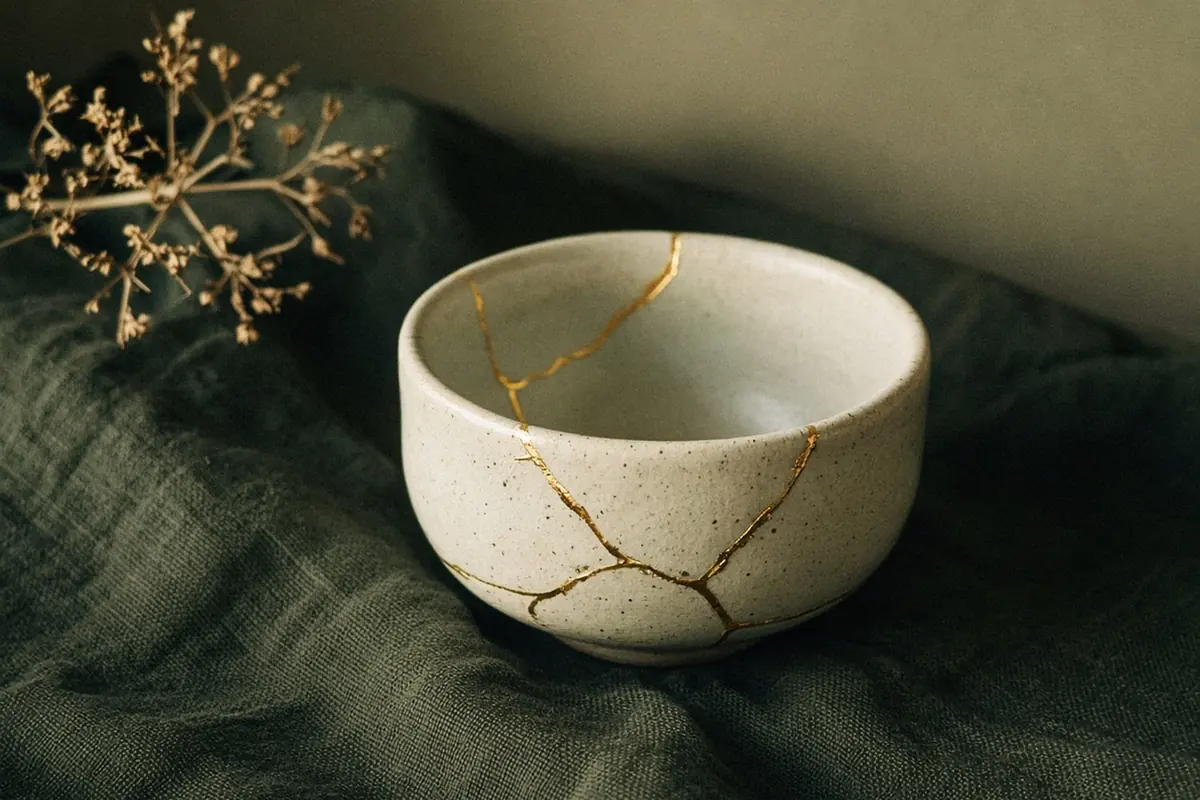
The art of golden repair. Every kintsugi experience begins with tea.
Find out more →, Kintsugi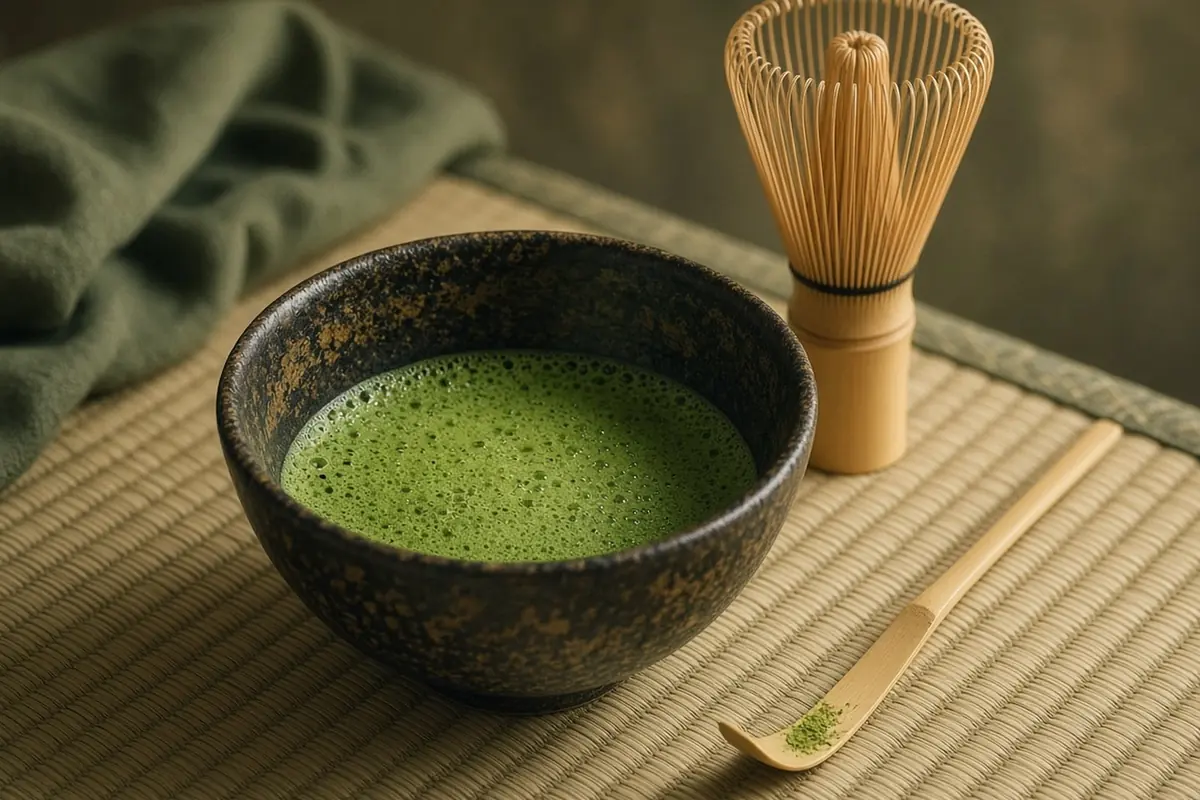
Handmade pieces and hands-on making.
Coming soon
Kintsugi Noki as provider, Pull Up A Chair Radio as the digital channel.

Programme · Kintsugi Hour
Kintsugi Corner · Episode 2 · Sit with the pieces · Story
Now playing · Kintsugi Corner · Episode 2 · Sit with the pieces · Story · Pull Up A Chair Radio
Next programme · Remembrance Songs · 19:00 Brisbane time