The First Cup
Stillness, learning to be present
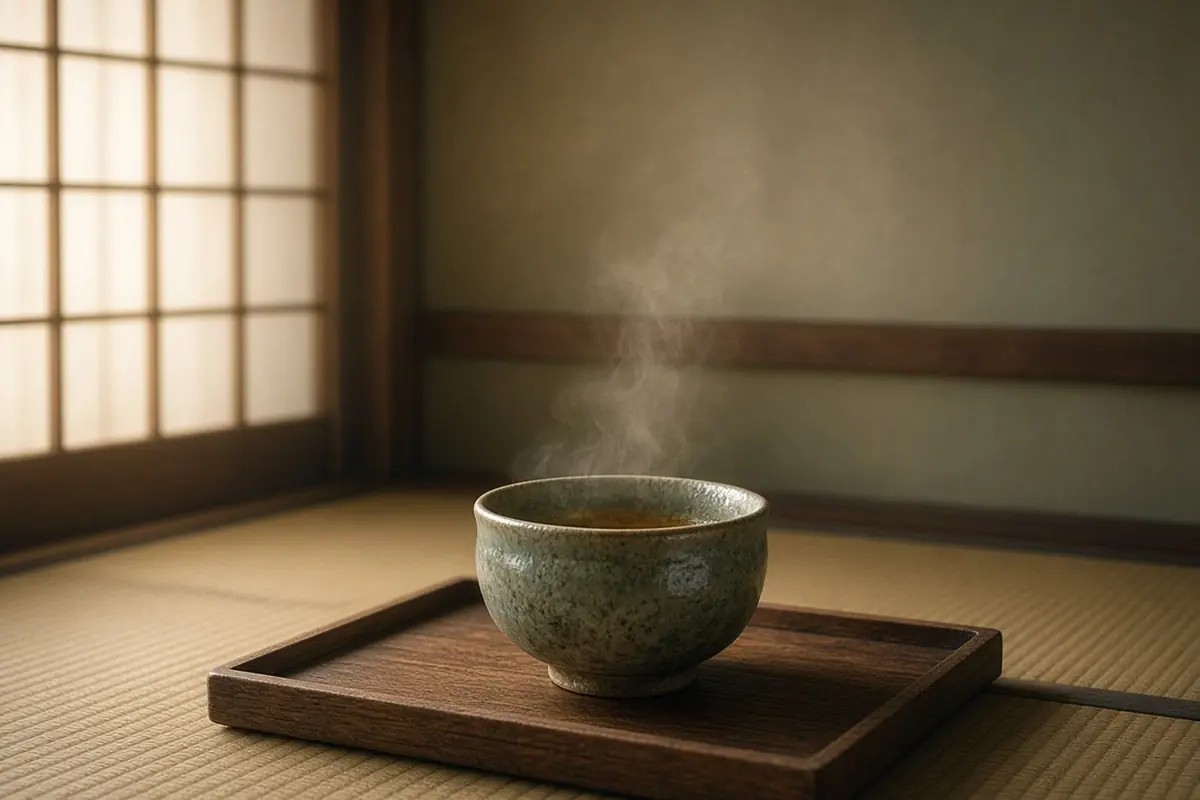
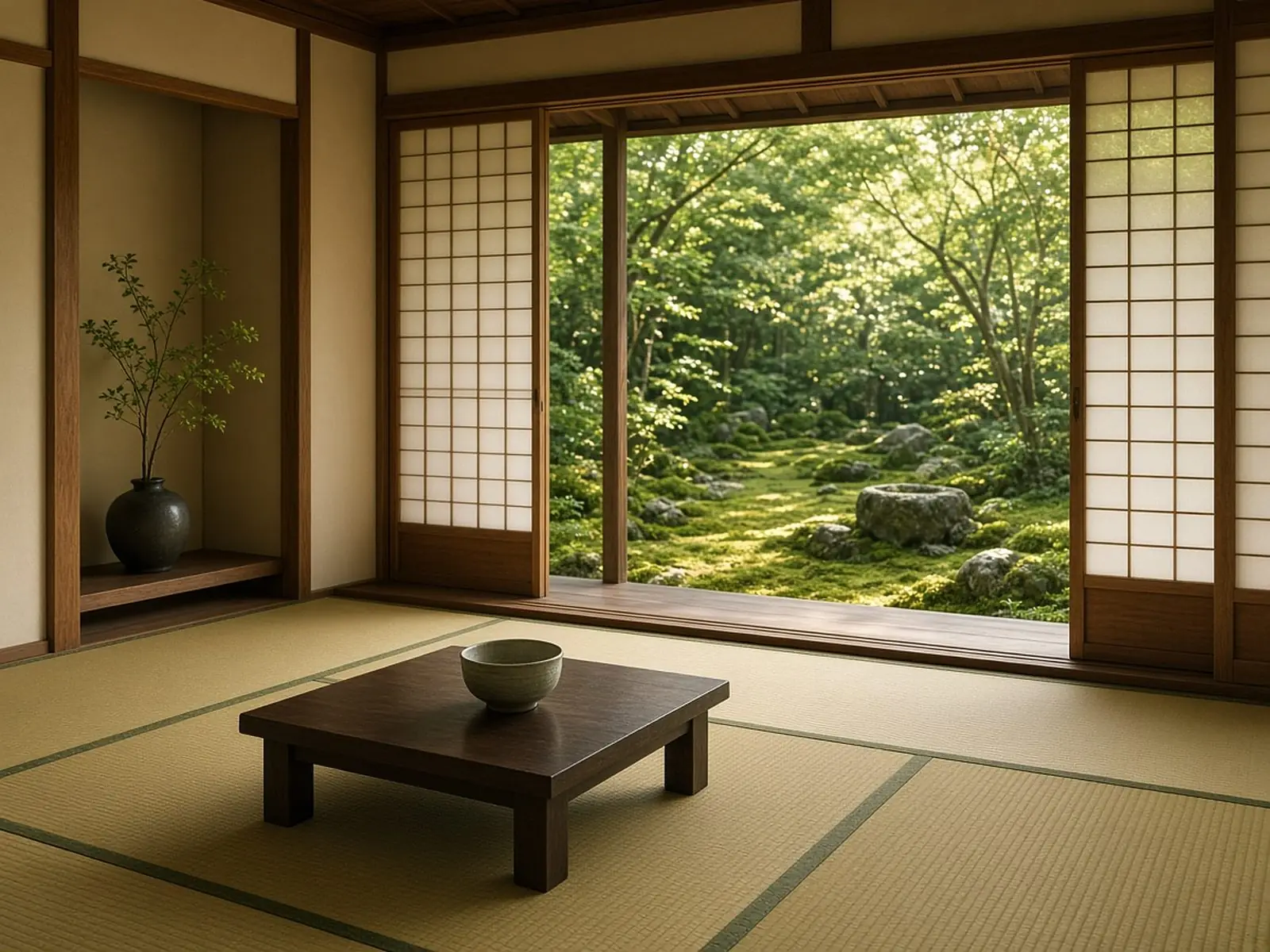
Stillness is where every cup begins. With a simple cup of tea, you'll learn to slow down, notice where your attention has gone, and gently bring it back to the steam, the warmth in your hands and one slow sip. You'll leave with a skill as well as a calm moment: arriving in the present whenever you choose.
You will learn
- How to notice distraction and return to the present moment
- Ichigo ichie, "one time, one meeting", and why each moment happens only once
- How to use the breath and two hands around a cup to settle body and mind
You'll practise: The three-breath cup. Look, feel, then sip, coming back each time your mind wanders.
Sample data
First Cup · Part 1
Key Japanese concepts
Ichigo ichie (一期一会), one time, one meeting. A phrase closely tied to the Japanese tea tradition. Each gathering, each cup, each moment happens only once and will never come again in quite the same way. This is not meant as pressure to make the moment perfect. It is simply an invitation to be present for it.
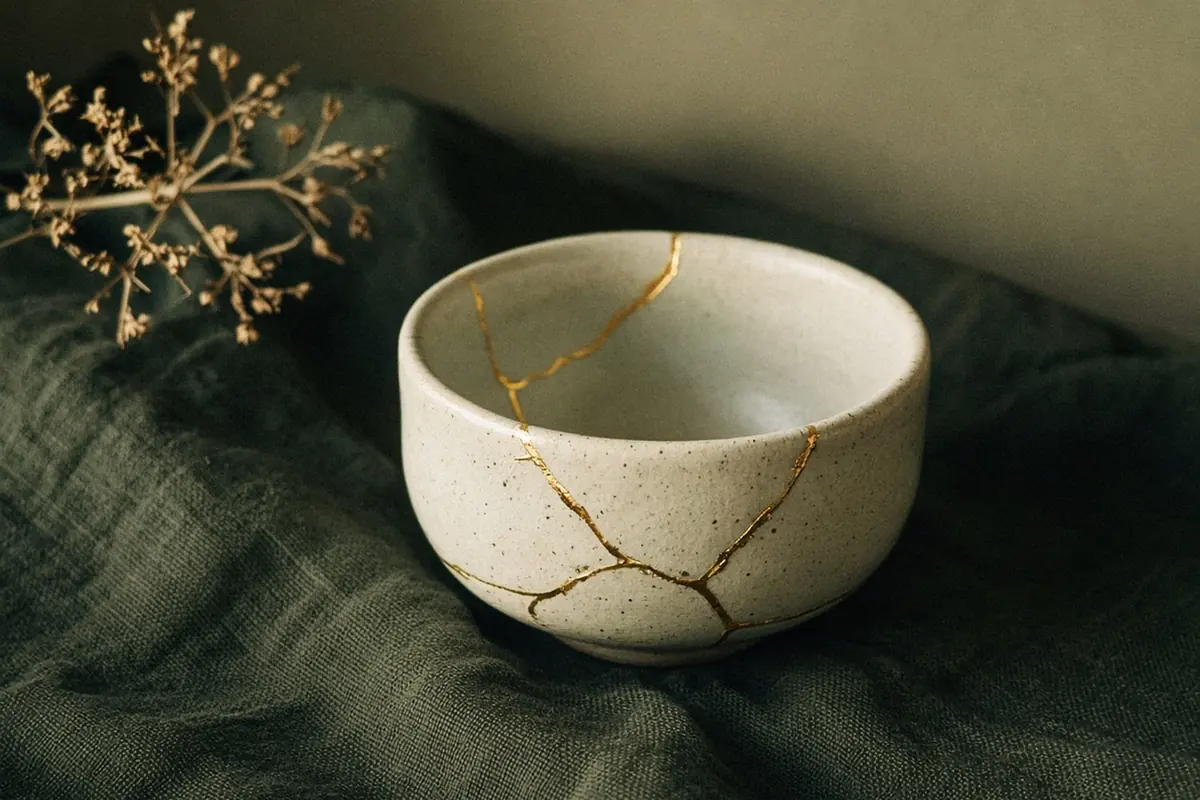
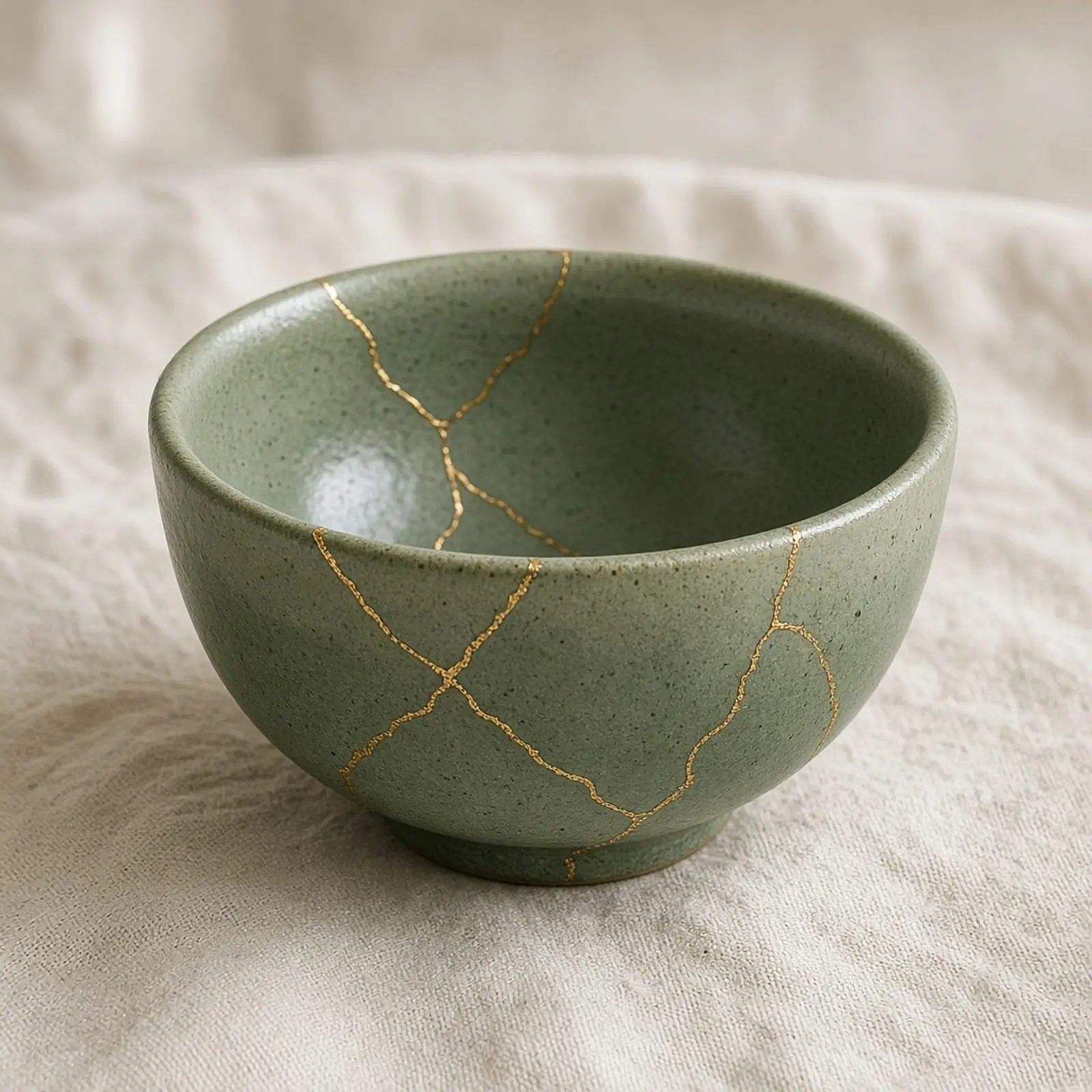
Kintsugi (金継ぎ), golden joinery. The art of repairing broken ceramics with lacquer, often finished with gold powder. The repair does not hide the break. It becomes part of the vessel's story. For many people this is a comforting image for loss and healing: we can carry our stories, joyful and difficult, and still be whole. You are allowed to be a work in progress.
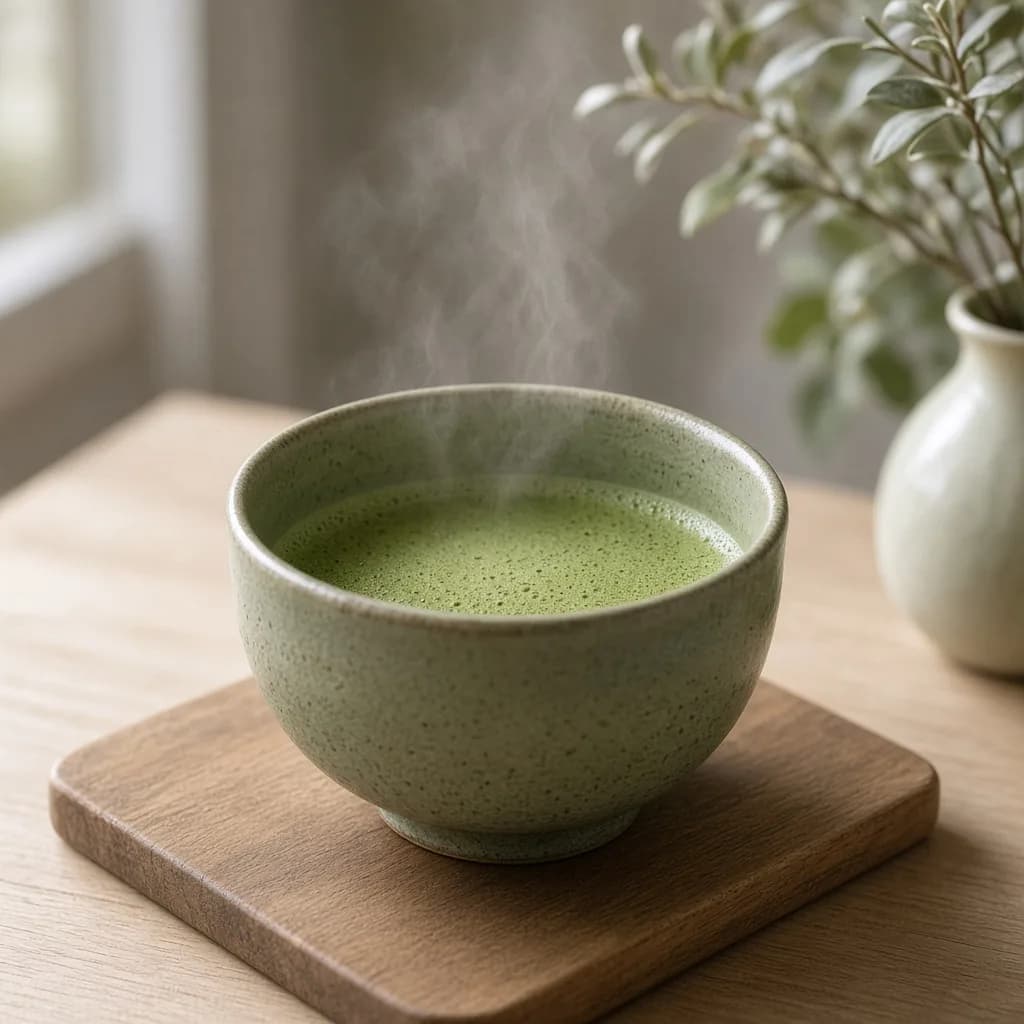
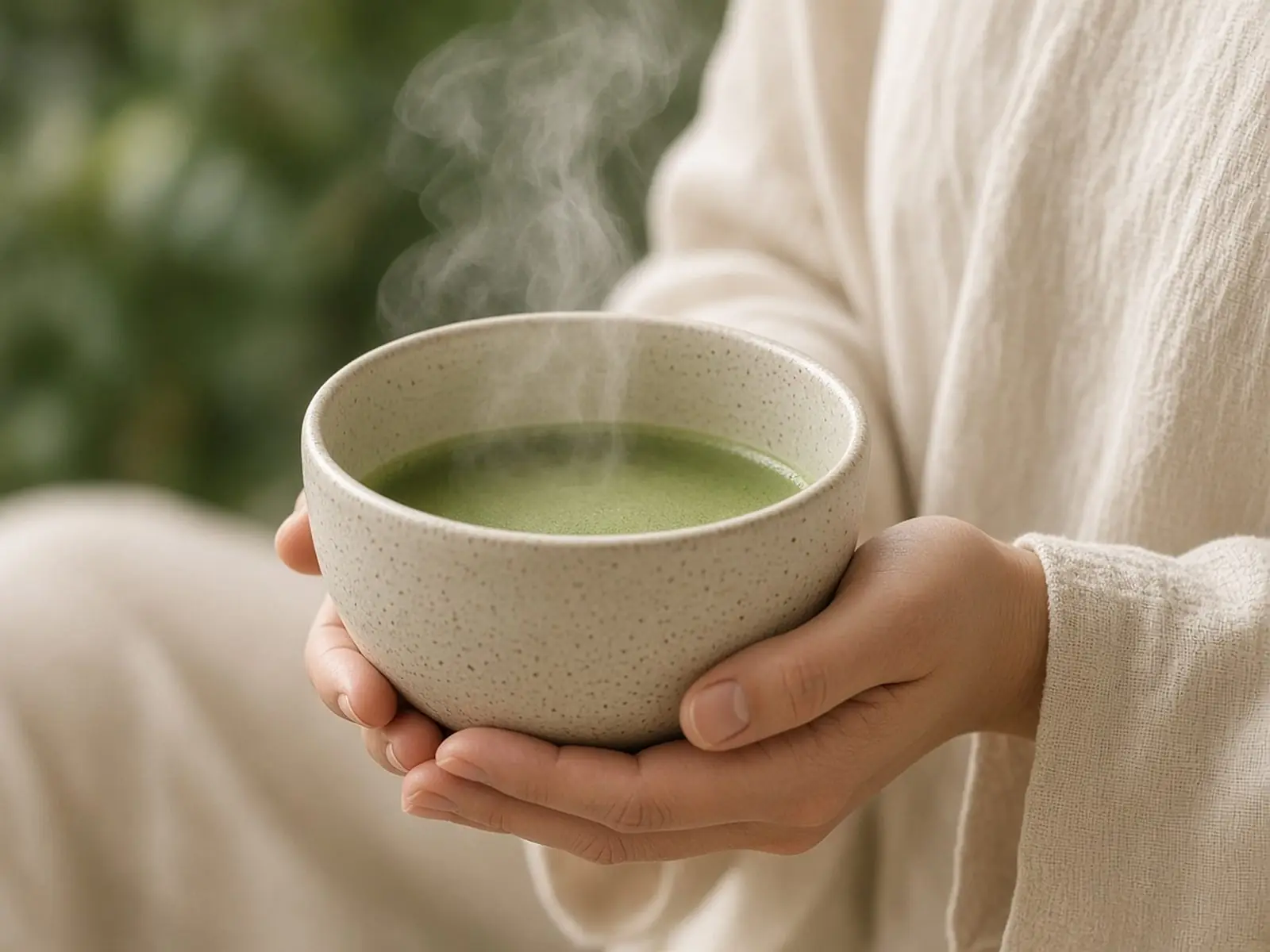
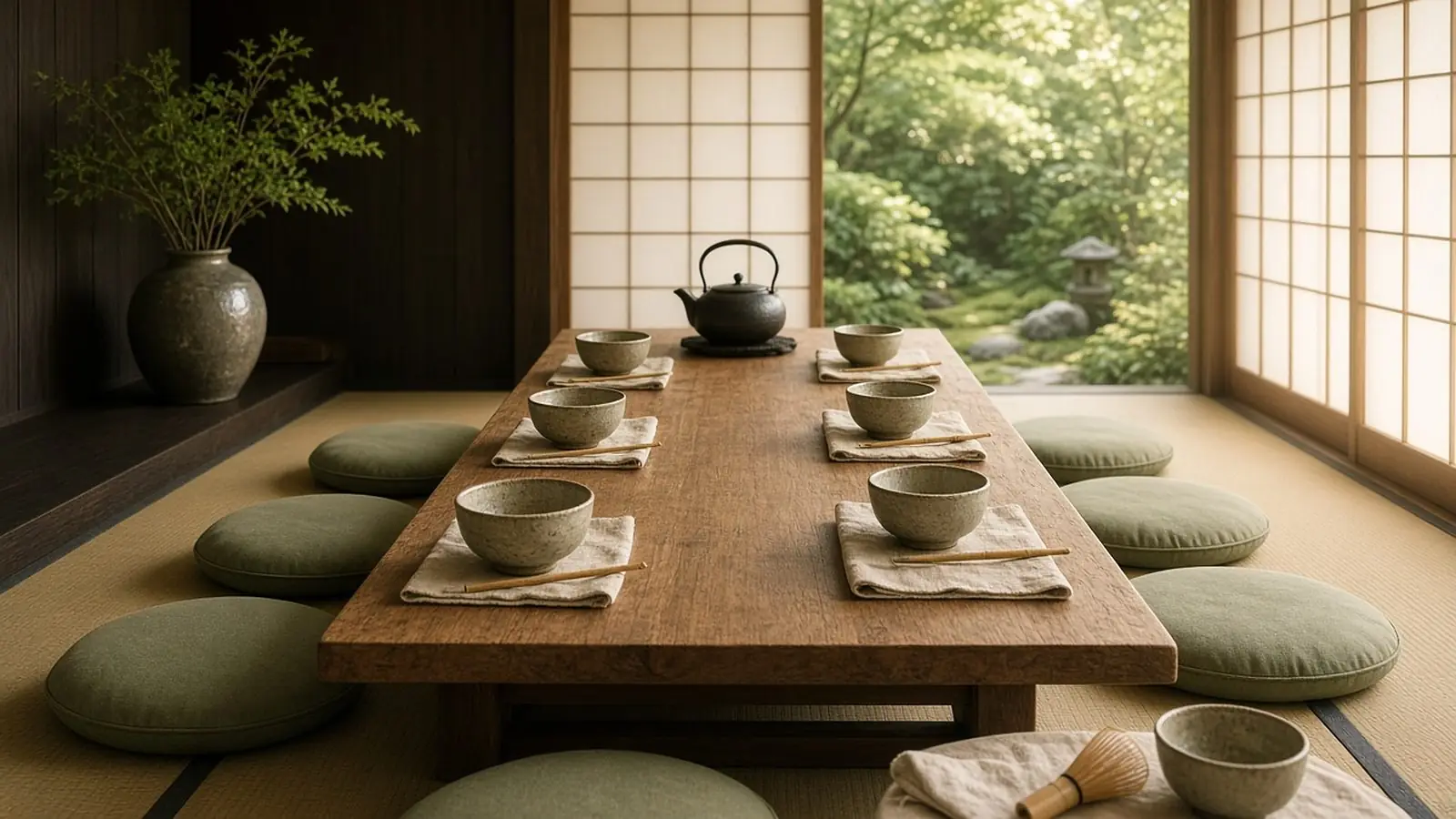
Holding the cup with two hands. In Japanese tea practice, a tea bowl (chawan) is usually held with both hands, often one supporting the base and the other steadying the side. It is a gesture of care and respect for the bowl, the tea and the person who prepared it. At home, holding any cup in both hands helps the body settle and draws attention to warmth, weight and texture.
A simple practice guide
- Prepare. Make a cup of tea, any kind you like. No tea? That's perfectly fine; a glass of water or simply sitting quietly works too.
- Arrive. Sit comfortably. Let your shoulders soften. Notice the sounds around you.
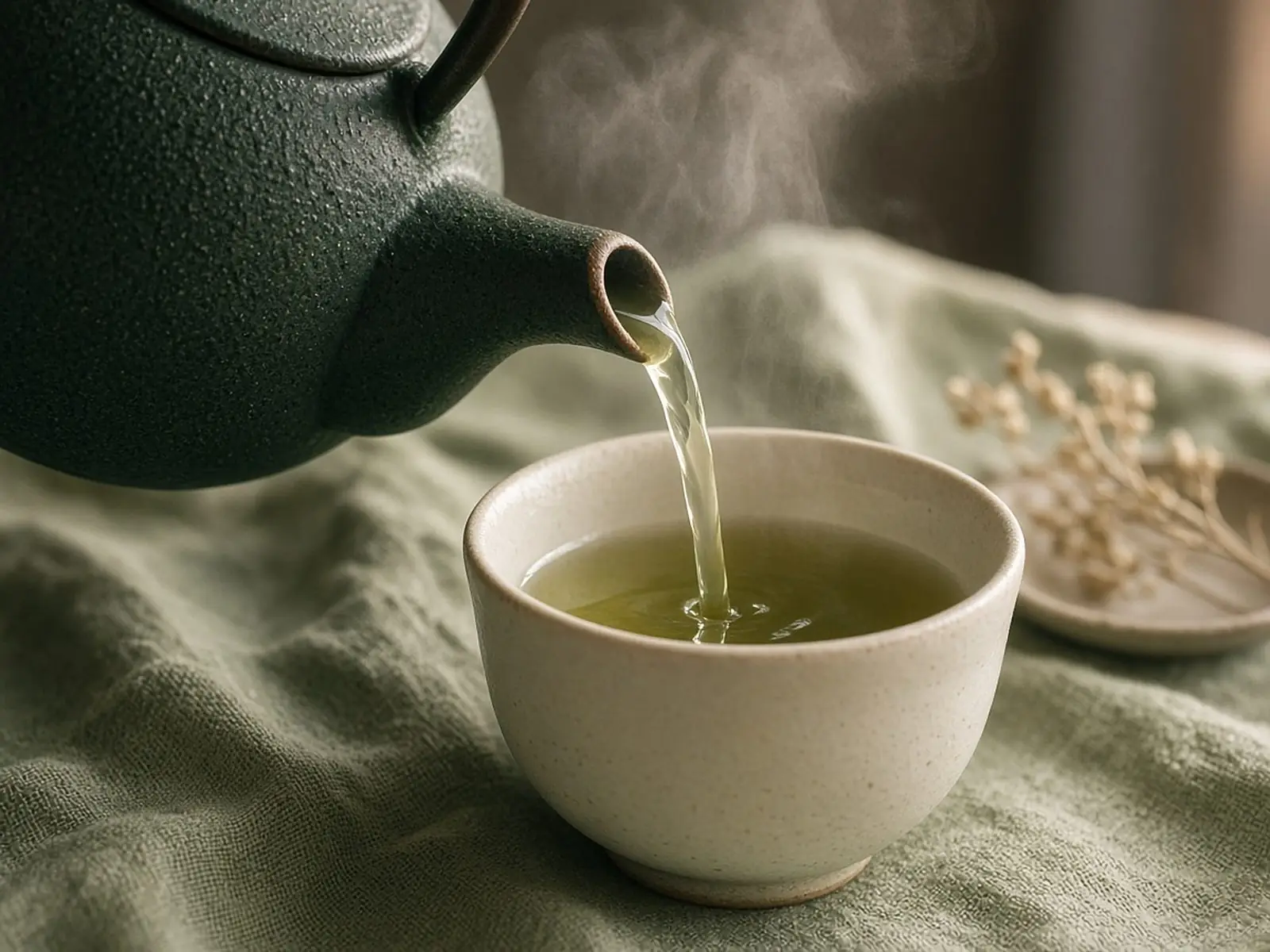
- Look. Notice the colour of the tea and the steam rising, then disappearing.
- Hold. When it is safe to touch, hold the cup in both hands. Notice its shape, texture and warmth. If it is hot, let it cool first.
- Breathe. Let your breathing find its own rhythm. You don't need to empty your mind. When thoughts come, notice them and gently return to the cup.
- Sip. Take a small, slow sip. Notice the flavour (delicate, earthy, sweet or slightly bitter), the warmth, and the quiet moment afterwards.
- Rest. For a little while, do nothing at all. Let the music accompany you.
- Close. Notice how you feel, with no correct answer. Choose one small intention to carry into your day.
A short note on Japanese tea
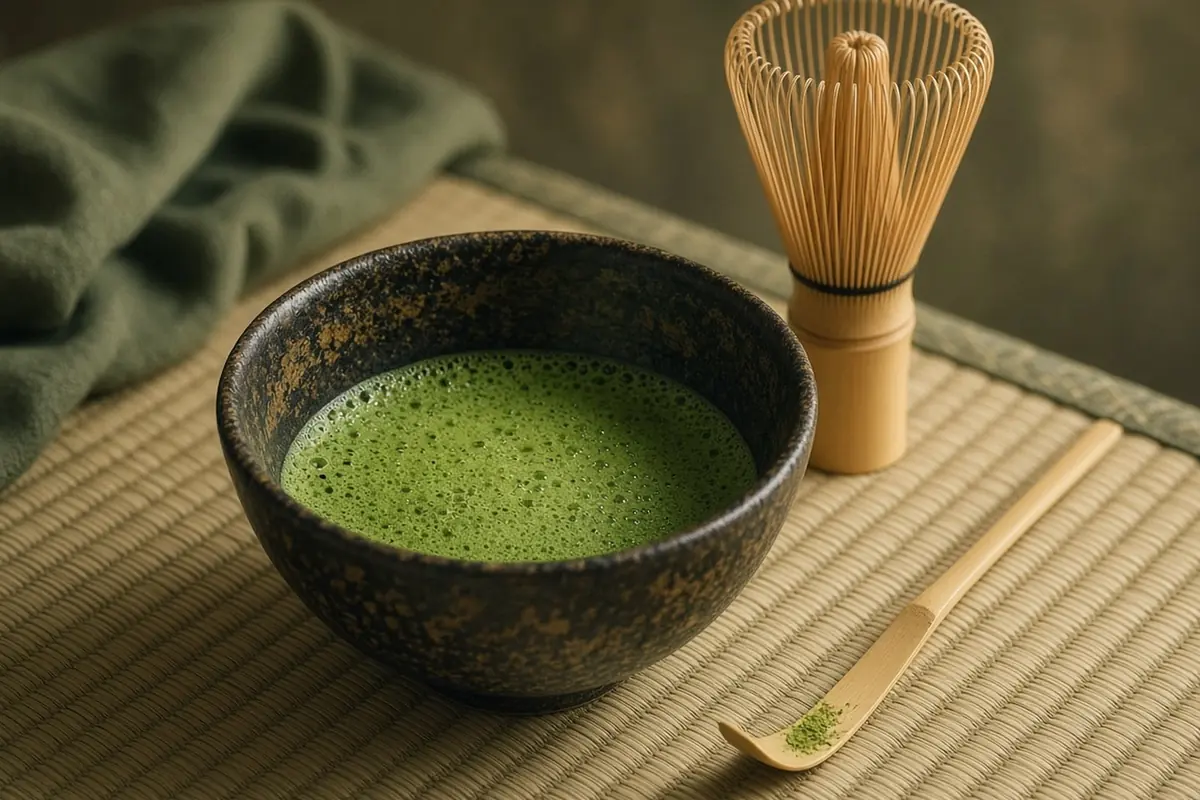
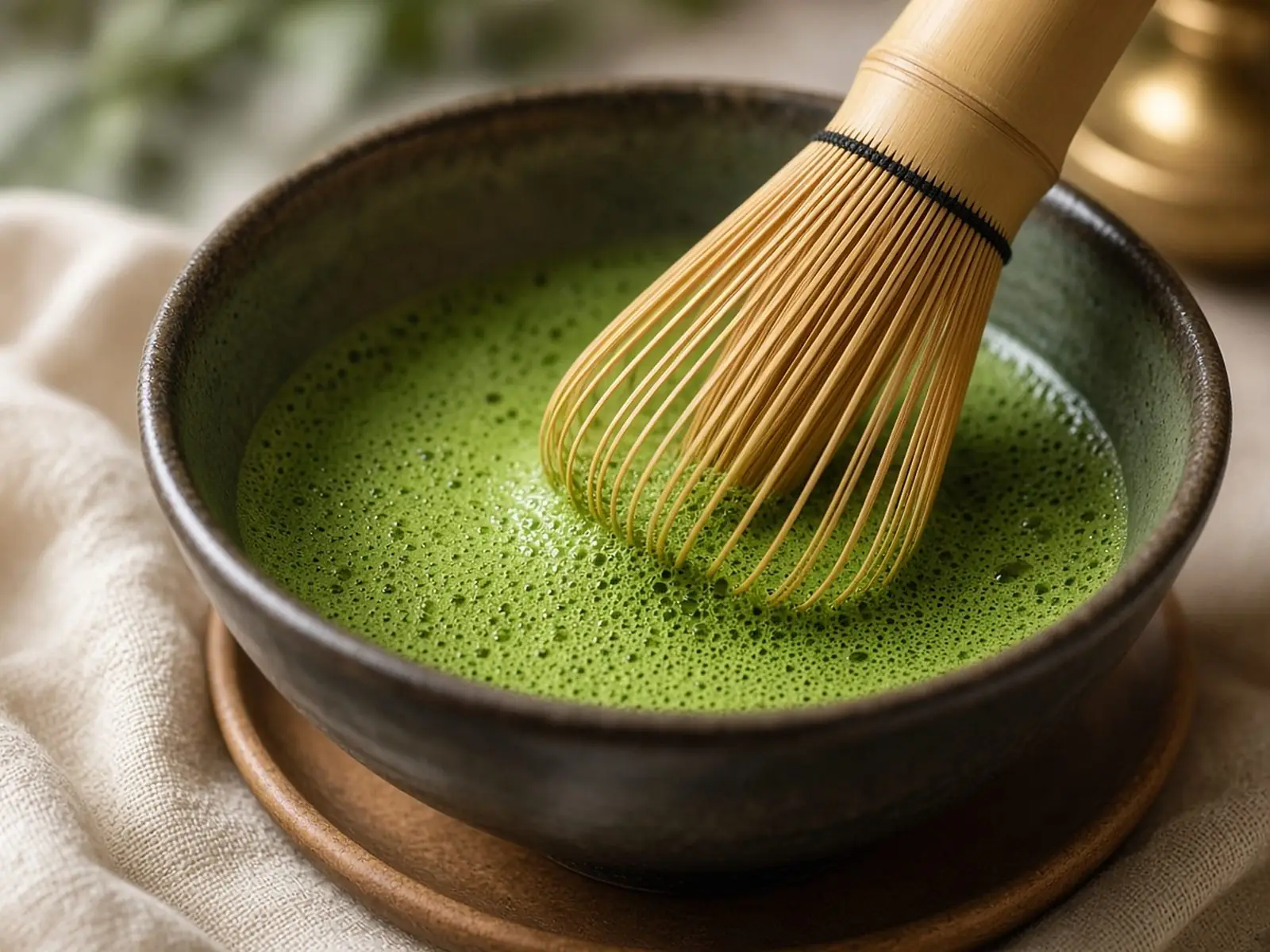
Tea came to Japan from China, and green tea became closely linked with Zen Buddhist practice. Over centuries the way of tea, known as chanoyu or sadō/chadō, developed into a refined practice of hospitality and attention, shaped strongly by the tea master Sen no Rikyū in the sixteenth century. The tea ceremony traditionally uses matcha, a finely ground powdered green tea whisked with hot water. Everyday Japanese teas include sencha (steamed leaf green tea), genmaicha (green tea with roasted rice) and hōjicha (roasted green tea).
You don't need any special tea or equipment for this course. What matters most is the attention you bring.
Gentle care
These meditations are for relaxation and reflection and are not a substitute for professional support. If you are finding things hard, please reach out to someone you trust, your GP, or a support service such as Lifeline (13 11 14) or Griefline (1300 845 745).

Part 1 · Arriving in the Present
3:48
We slow down and arrive. Attention rests on the water, the cup and the rising steam, and we meet ichigo ichie: this moment will never come again in quite the same way.
My Tea Journal
Sign up to save your reflections
Part 2 · The First Sip
3:58
Holding the cup in both hands, we feel its shape and warmth, let the breath find its own rhythm, and take one slow, attentive sip.
My Tea Journal
Sign up to save your reflections
Part 3 · The Golden Moment
4:54
Through kintsugi we remember that cracks can become part of our story. We meet ourselves with kindness and close with an intention: one cup at a time.
My Tea Journal
Sign up to save your reflections
My Tea Journal · Back to the course
One cup at a time.