The Second Cup
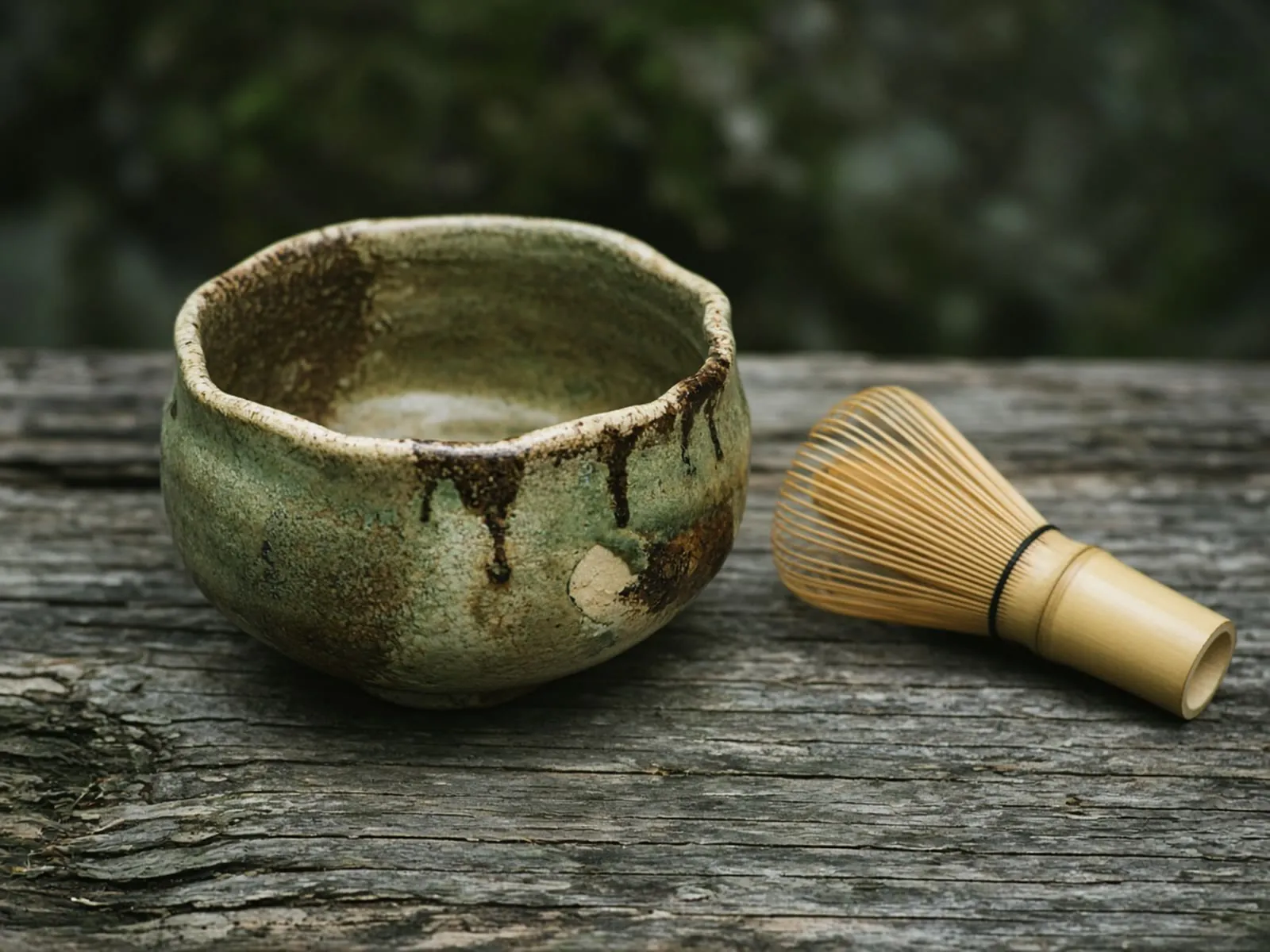
Wabi-sabi, appreciating imperfection
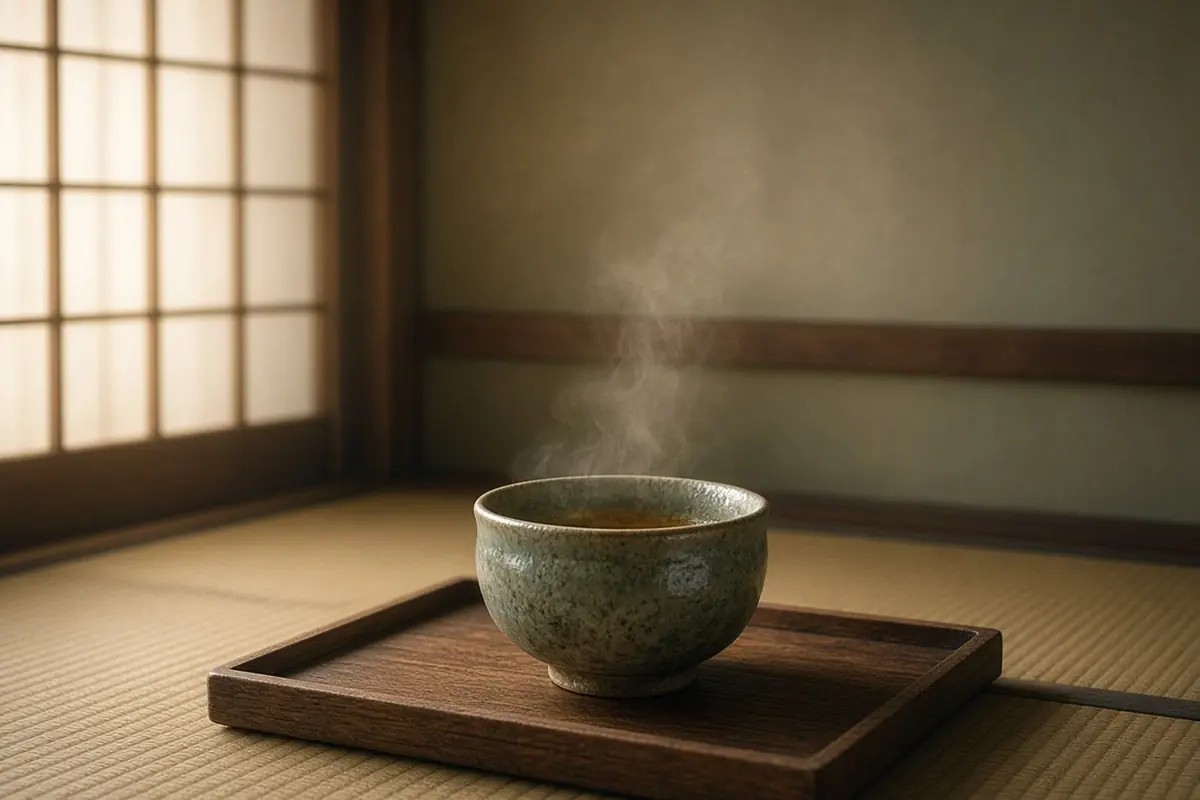
Wabi-sabi finds beauty in what is simple, uneven and unfinished. As you listen to the kettle, soften the whisk and hold a humble bowl, you'll learn to look at imperfect things, and at yourself, with patience instead of judgement.
You will learn
- The meaning of wabi-sabi and how it shapes Japanese tea
- Patience through matsukaze, the "wind in the pines" of the simmering kettle
- How to prepare tea with care, including the bamboo whisk (chasen)
You'll practise: The humble bowl. Make tea in your most uneven cup and find what you're glad of in it.
Sample data
Begin a take on the course page to open Part 1.
Key Japanese concepts
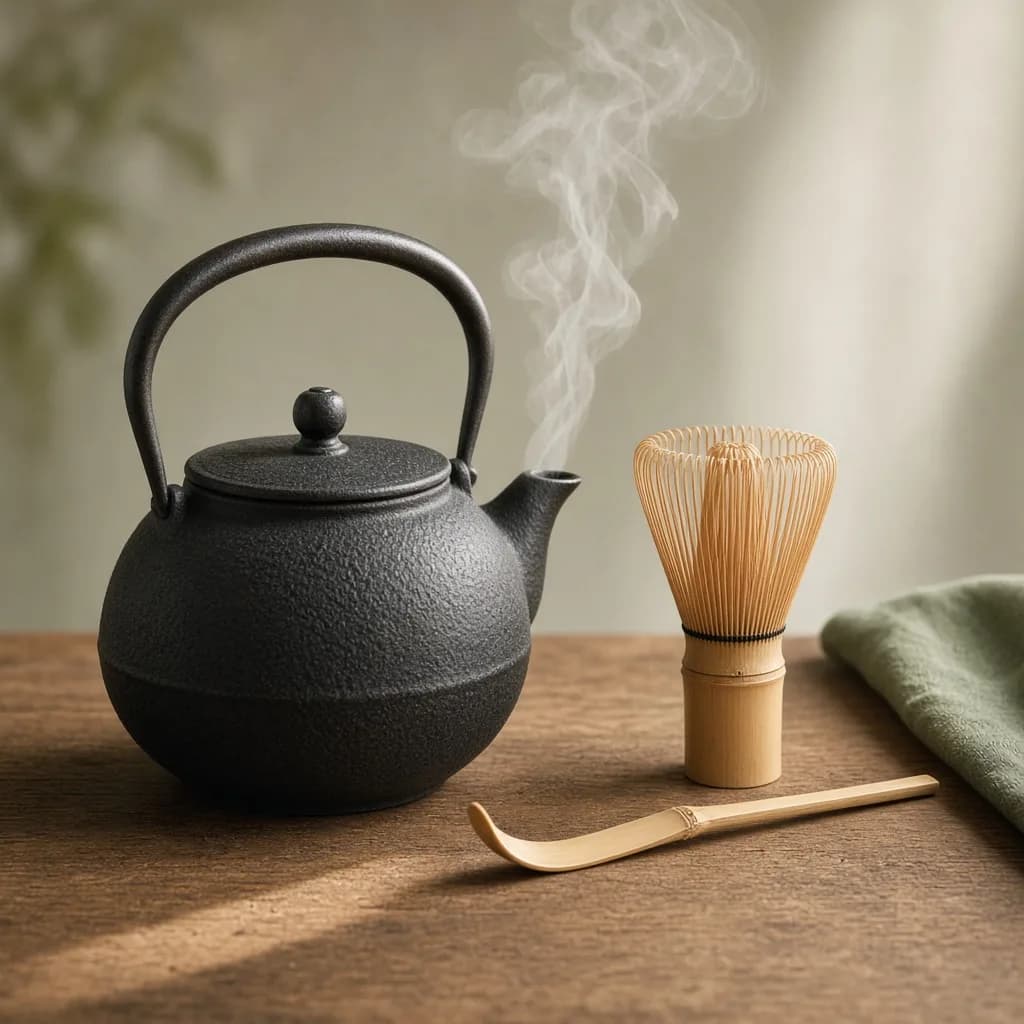
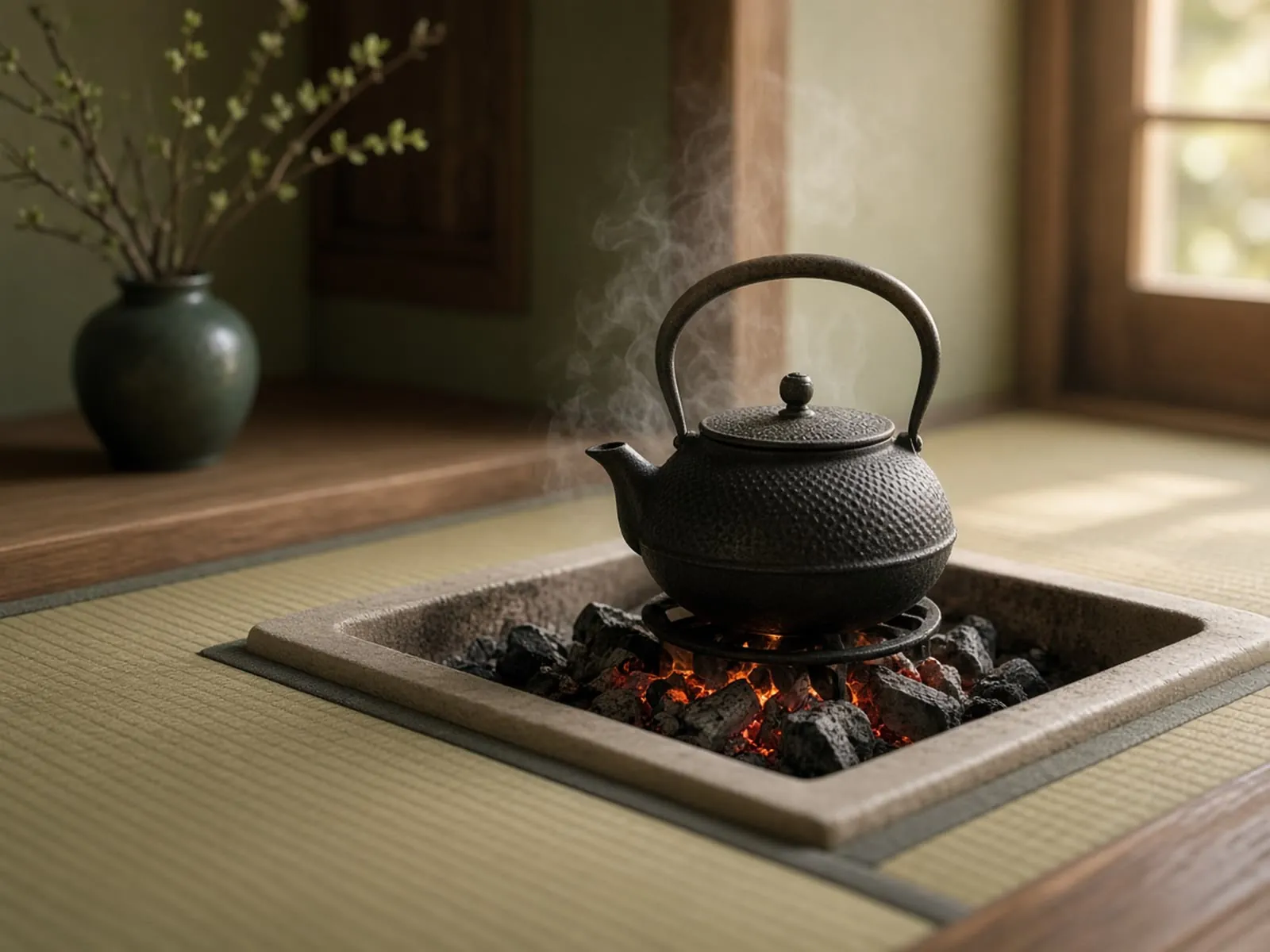
Matsukaze (松風), "wind in the pines" In the tea room, the soft sound of water simmering in the kettle is often compared to wind moving through pine trees. Listening for it is a small invitation to slow down and let waiting become part of the practice.
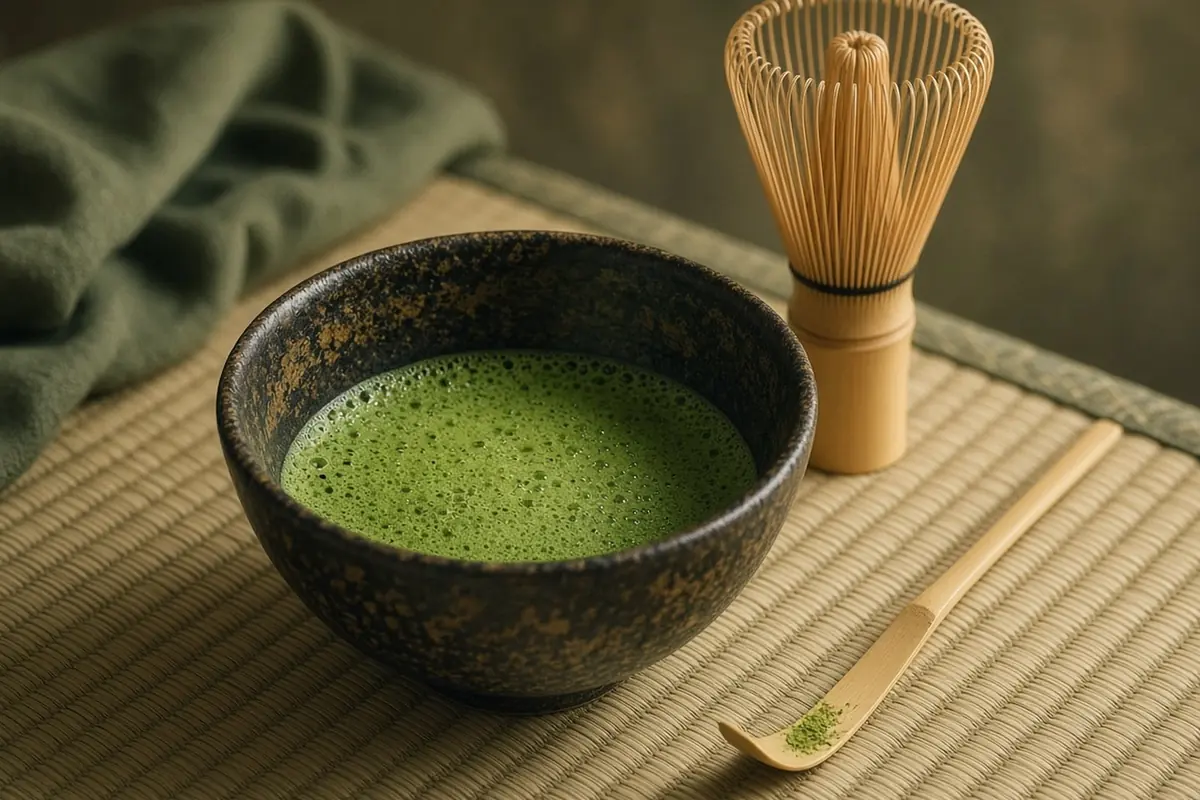
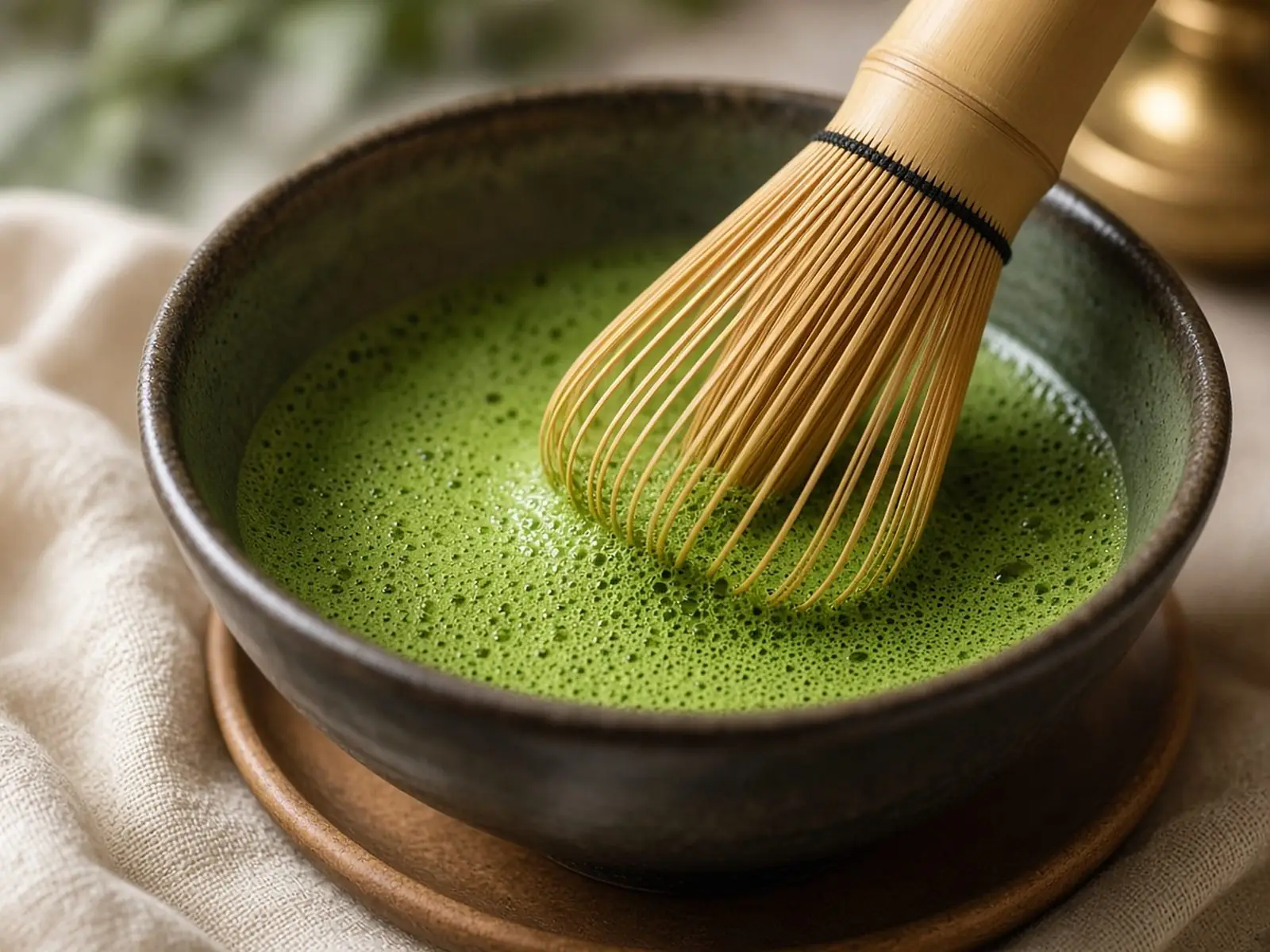
Chasen (茶筅), the bamboo whisk A whisk carved from a single piece of bamboo and split into many fine tines. It is used to whisk powdered matcha with hot water. Because it is delicate, it is often soaked in warm water first so the tines soften. It asks for a light, careful hand.
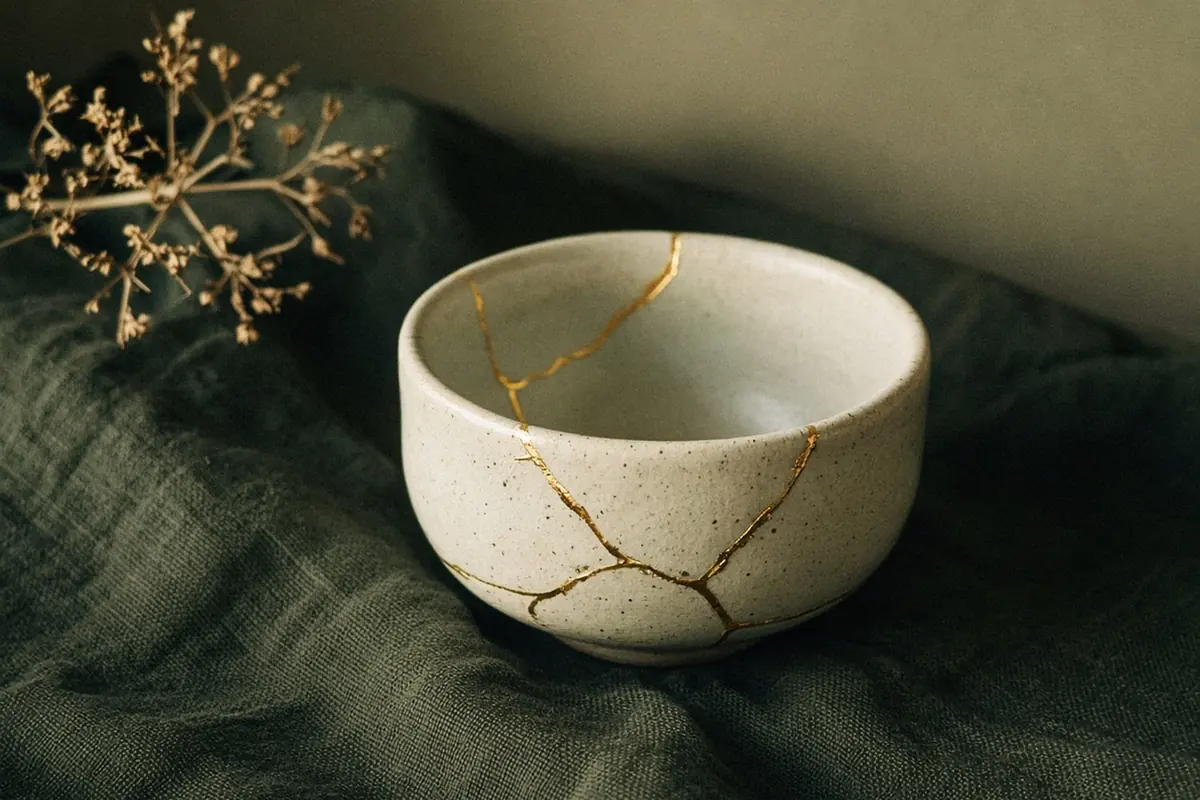
Wabi-sabi (侘寂) A Japanese way of seeing that finds beauty in simplicity, imperfection and impermanence. A handmade bowl that is slightly lopsided, with a glaze that ran where it pleased, can be treasured for exactly those qualities. For many people it's a comforting reminder that we don't need to be flawless to be worthy of care.
A simple practice guide
- Boil. Put the kettle on, or simply imagine it. Listen for the first small sounds of the water warming.
- Rest the water. For green tea, let freshly boiled water stand for a minute or two so it's a little gentler. Water that is too hot can make green tea taste bitter.
- Soften. If you have a chasen, soak its tines in warm water for a moment. Warm your bowl or cup with a splash of hot water, then tip it out.
- Prepare. For matcha, add a small amount of powdered tea to the bowl and a little water. Any tea you like is perfectly fine, and so is a glass of water.
- Whisk. Hold the bowl with one hand. Move the whisk from the wrist in quick, light strokes, back and forth like the letter M or W, rather than round and round. No whisk? Stir slowly with a spoon.
- Look. Lift the whisk gently from the centre. Notice the colour and the froth, without judging it.
- Sip. Hold the bowl in both hands. Take a slow sip and notice the taste: bitter, sweet, or both.
- Close. Rest your hands. Choose one small thing you might prepare with care today.
A short note on preparing tea
In Japanese tea practice, care starts long before the first sip, with the water, the charcoal, the warming of the bowl and the softening of the whisk. Temperatures vary by tea and by teacher. As a general home guide, many green teas, including sencha, are enjoyed with water a little below boiling, while roasted hōjicha and genmaicha are more forgiving of hotter water. Taste is the best teacher.
You don't need any special tea or equipment for this course. What matters most is the attention you bring.
Gentle care
These meditations are for relaxation and reflection and are not a substitute for professional support. If you're finding things hard, please reach out to someone you trust, your GP, or a support service such as Lifeline (13 11 14) or Griefline (1300 845 745).
With thanks
With heartfelt thanks to Kintsugi Path for supplying the kintsugi material for this series. Their compassionate guide to grief and repair can be found at https://kintsuginoki.com/.
Part 1 · The Voice of the Water
4:43
We put the kettle on and listen. The simmer, matsukaze, becomes a reminder that water warms in its own time, and that waiting can be part of the tea.
Begin a take to open this part.
My Tea Journal
Sign up to save your reflections
Part 2 · The Whisk and the Waiting
5:01
We soften the whisk, prepare the bowl and move with small, light strokes. Our hands, which have cared for so much, are invited to care for us.
Begin a take to open this part.
My Tea Journal
Sign up to save your reflections
Part 3 · The Humble Bowl
4:55
Through wabi-sabi we look kindly at an uneven bowl, taste the bitter and the sweet together, and remember that grief and love can be held in the same cup.
Begin a take to open this part.
My Tea Journal
Sign up to save your reflections
My Tea Journal · Back to the course
One cup at a time.